

3 reviews
HOLITINT
60,00 €
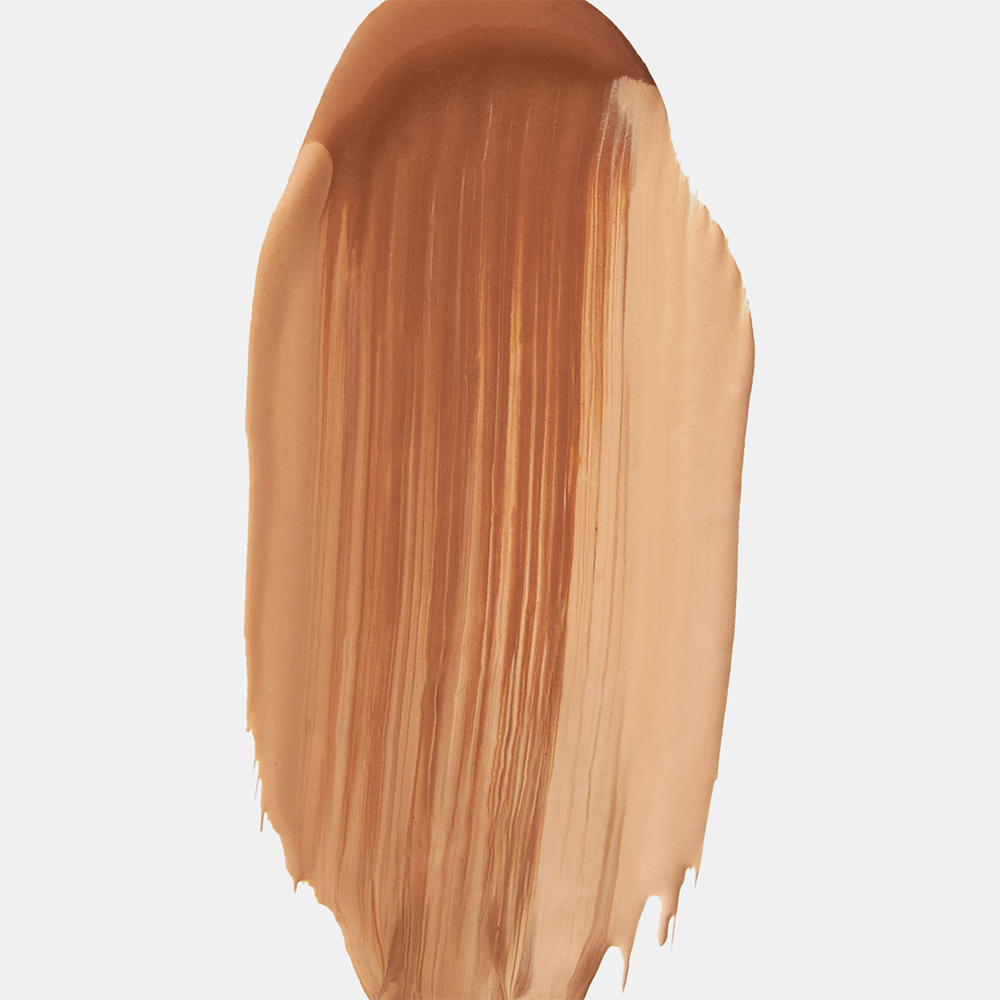
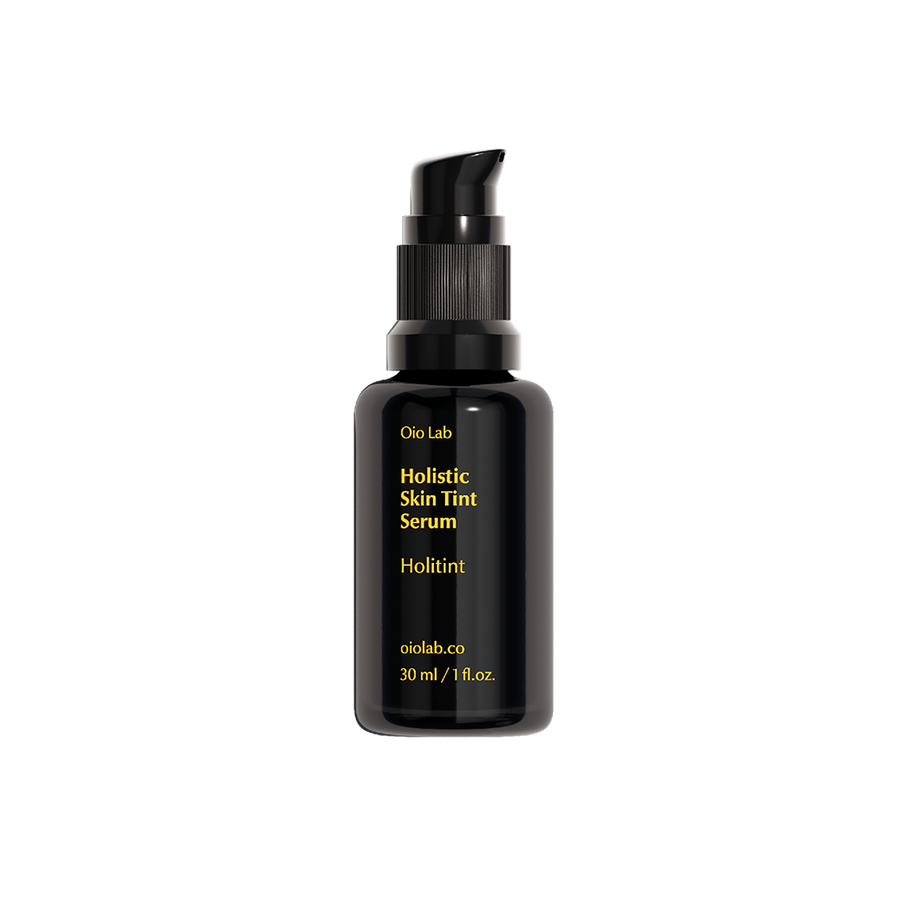
Skin tint with serum-level care
Foundation results. Serum care.
30 ml
Suggested
Bestsellers
3 reviews
60,00 €
Skin tint with serum-level care
Foundation results. Serum care.
30 ml

6 reviews
70,00 €
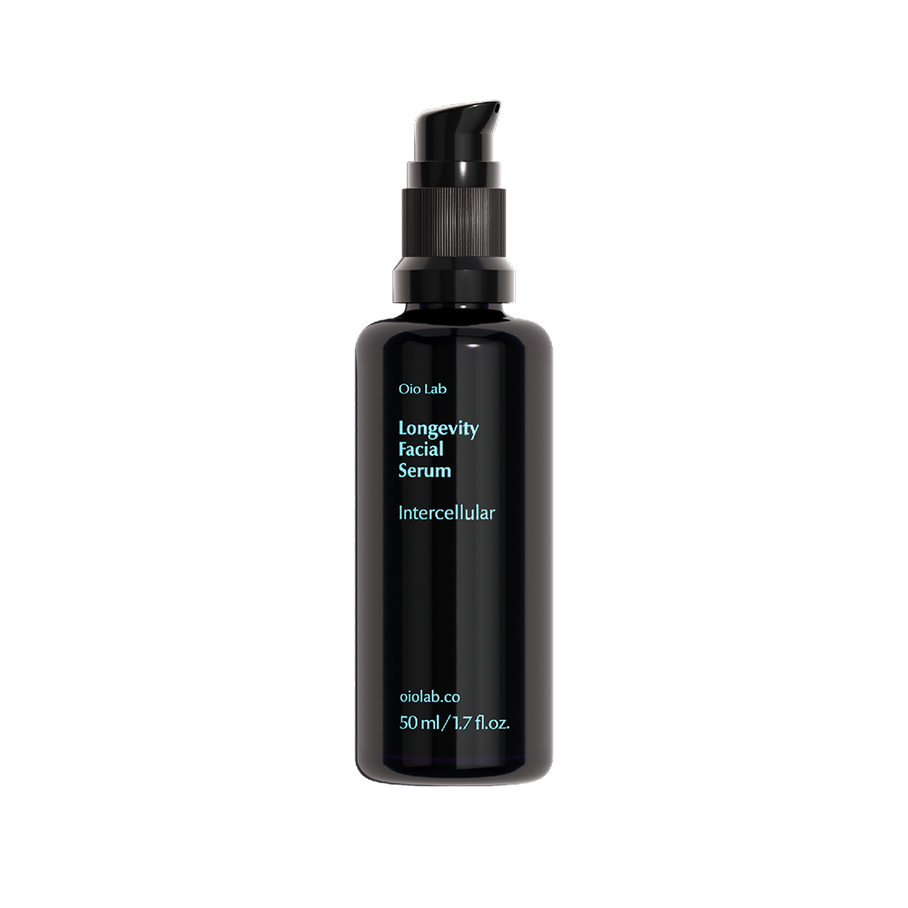
Next-generation longevity serum
Firms skin and restores vitality.
50 ml

11 reviews
70,00 €
Regenerating cream for hormonal skin changes
Firms. Supports skin through change.
45 ml
Updated: 26.10.2026 | By the Oio Lab team
Skin ageing is a natural, multifactorial biological process in which the structure of the skin, its regenerative capacity and the way it functions change over time.
Key takeaways:
Contents
Skin ageing does not happen overnight. It is a gradual process associated, among other things, with a decline in the metabolic activity of skin cells. Over time, these changes affect both the surface of the skin and its deeper layers. As a result, the skin renews itself more slowly, while its regenerative capacity and ability to maintain its proper structure gradually decline.
Some of the key changes take place in the dermis, where collagen and elastin fibres are responsible for the skin’s firmness, elasticity and strength. Over time, these fibres gradually degrade, becoming more fragmented and less organised. At the same time, fibroblasts – the cells responsible, among other things, for collagen production – become less numerous and less active. As a result, the skin’s regenerative capacity declines, contributing to a loss of firmness and elasticity.
Importantly, the way the epidermis functions also changes over time. Its renewal slows down, while the sebaceous glands produce less sebum. As a result, the skin loses water more easily and becomes more prone to dryness, while its protective functions gradually weaken.
Skin ageing is driven by two interconnected processes. The factors contributing to skin ageing can be divided into intrinsic ageing and extrinsic ageing: natural changes that occur with age and the effects of external factors. The former include genetic predisposition, hormonal changes and gradual changes in cellular function, while the latter are associated with environmental and lifestyle factors – most notably UV radiation, including both UVA and UVB, air pollution, tobacco smoke, chronic stress, insufficient sleep and diet.
Importantly, intrinsic and extrinsic ageing occur simultaneously, with their effects overlapping over time.
Cell division allows the skin to regenerate and renew itself, but this process becomes less efficient with age. One of the key mechanisms involved is telomere shortening – telomeres are the protective end sections of chromosomes that help safeguard them during cell division. With each successive division, telomeres become shorter, and once they reach a critical length, the cell loses its ability to divide properly.
When it comes to skin ageing, however, it is not only the cells’ ability to divide that matters, but also how efficiently they deal with damaged and worn-out components. This is where autophagy plays an important role – a natural process through which unnecessary cellular components are broken down, while some of the resulting materials can be reused. Its efficiency is linked to NAD⁺, a coenzyme present in every cell that is involved in processes related to cellular energy production and DNA repair. With age, both the efficiency of autophagy and the availability of NAD⁺ change, making it more difficult for cells to cope with damage. Over time, this contributes to a gradual weakening of the skin and to visible changes on its surface.
One of the most important external factors contributing to skin ageing is UV radiation. Its effects are not limited to the skin’s surface – UVA radiation reaches the dermis, where it affects, among other things, fibroblasts, collagen and elastin fibres, and connective tissue. UV exposure also increases the production of reactive oxygen species, intensifying oxidative stress – a state in which the amount of reactive molecules, including free radicals, exceeds the cells’ ability to neutralise them. An excess of these molecules can damage the DNA, proteins and lipids of skin cells, impairing their normal function and regenerative capacity. With regular exposure to UV radiation, this damage accumulates over time, contributing to wrinkles, pigmentation, loss of elasticity and other changes associated with photoageing.
Other environmental factors can also accelerate skin ageing. Tobacco smoke and air pollution, including smog, can increase oxidative stress and place additional stress on the skin. Lifestyle factors such as chronic stress, insufficient sleep and an unbalanced diet are also considered relevant. Over prolonged periods, they may interfere with the skin’s natural regenerative processes and contribute to the progression of age-related changes.

There is no single point in time when the signs of ageing begin to appear. How the skin changes with age depends, among other things, on genetic predisposition, hormonal changes and exposure to environmental factors. As a result, skin ageing progresses differently from person to person – two people of the same age may have skin in very different condition.
The early signs of skin ageing can be very subtle. The skin may become drier, rougher and feel tighter, while fine lines become more visible. Over time, structural changes in the skin become increasingly apparent. Loss of firmness and elasticity makes the skin less resilient, wrinkles become deeper and the facial contour gradually becomes less defined. More pronounced pigmentation and vascular changes may also appear.
The ageing process cannot be stopped, but it is possible to minimise the impact of factors that accelerate skin ageing and support the skin’s natural protective mechanisms.
One of the most important ways to help prevent premature skin ageing is regular photoprotection. UV radiation can damage the DNA of skin cells, increase oxidative stress, cause pigmentation and accelerate the degradation of structures responsible for skin firmness and elasticity. This is why protection against both UVA and UVB should be a consistent part of daily skincare, rather than a response to periods of intense sun exposure. Lifestyle also plays an important role. Getting enough sleep, following a balanced diet and avoiding smoking can help reduce the additional stress that the skin has to cope with every day.
One of the best-studied groups of ingredients used in anti-ageing skincare is retinoids, derivatives of vitamin A. Their effects are associated, among other things, with supporting collagen synthesis and improving the structure of the skin. Antioxidants also play an important role in skincare for ageing skin. Vitamin C helps neutralise free radicals, supports collagen synthesis and may help reduce the formation of pigmentation, while vitamin E protects cellular lipids from oxidation. Their presence in a skincare routine therefore matters not only for the appearance of the skin, but also for helping to minimise the effects of oxidative stress.
Modern anti-ageing skincare is moving away from viewing skin ageing solely through the lens of wrinkles or loss of firmness. Unlike the traditional anti-ageing approach, smart ageing focuses primarily on the processes taking place within the skin that influence its ability to regenerate, protect itself and maintain its overall condition. The goal is therefore not to stop the passage of time, but to support the skin in maintaining its quality for as long as possible – by protecting it against factors that accelerate ageing and choosing skincare that responds to its changing needs.
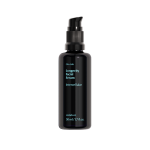
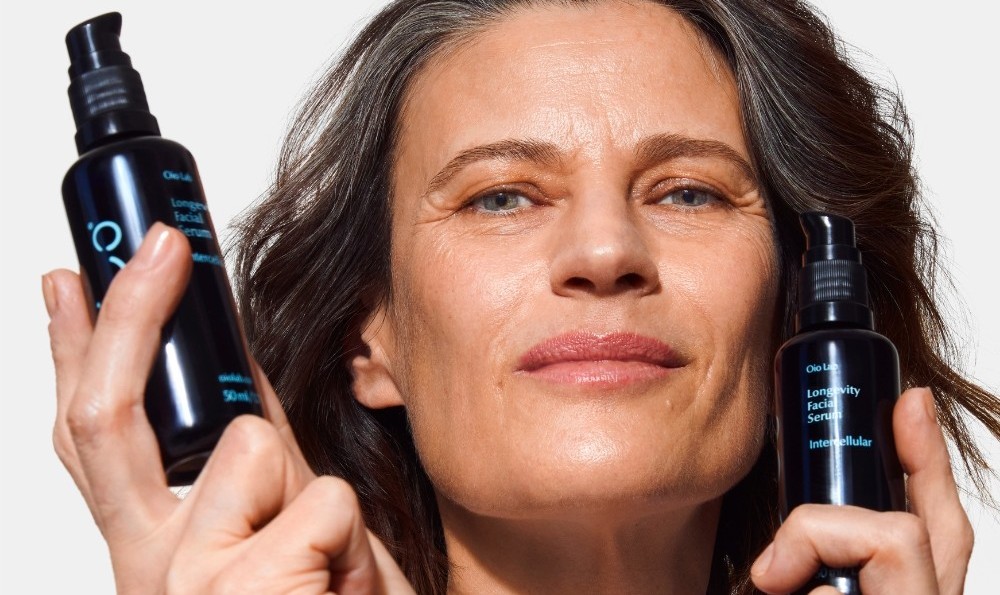
It was with this approach in mind that Oio Lab developed Intercellular, a next-generation serum formulated based on research into epigenetics and cellular metabolism. Its formula combines three pioneering longevity systems designed to support processes involved in the skin’s long-term condition. RejuveNAD™, a botanical ingredient derived from organic sunflower sprouts, supports NAD⁺ levels, while pomegranate seed stem cells containing urolithin A precursors help protect against oxidative stress and support a more even skin tone. The formula of the Intercellular face serum is complemented by Oio Lab Longevity Complex™, with spermidine to support autophagy, tuberose stem cells and ingredients that support microcirculation and the transport of active ingredients – all with the long-term condition of the skin in mind.
There is no single age at which anti-ageing skincare should be introduced. The first signs of skin ageing can appear at different times, while the pace of the process depends, among other things, on genetic predisposition, hormonal changes and environmental factors. It is also worth remembering that the biological age of the skin does not always correspond to chronological age.
Yes. UV radiation is one of the most important external factors that accelerate skin ageing, and its effects are not limited to periods of intense sun exposure. This is why it is worth choosing products that provide protection against both UVA and UVB radiation. Regular photoprotection helps minimise the accumulation of UV-related damage and is one of the key elements of preventing photoageing.
Skin type alone does not determine the rate at which skin ages. However, dry skin may be more prone to visible signs of ageing. Lower sebum production can contribute to increased water loss, making dryness, fine lines and a feeling of tightness more noticeable. For this reason, dry skin requires particular attention to maintaining hydration and supporting the skin barrier.

Martyna Pietrzak-Sikorska
Martyna has spent years exploring the ingredients, formulations and technologies behind skincare. In her writing for Oio Lab, she combines thorough research with an understanding of skin’s needs, showing how ingredient science translates into an everyday skincare ritual. Her focus is on formulas with a clear purpose — and communication that explains why they work.
6 reviews
70,00 €
Next-generation longevity serum
Firms skin and restores vitality.
50 ml
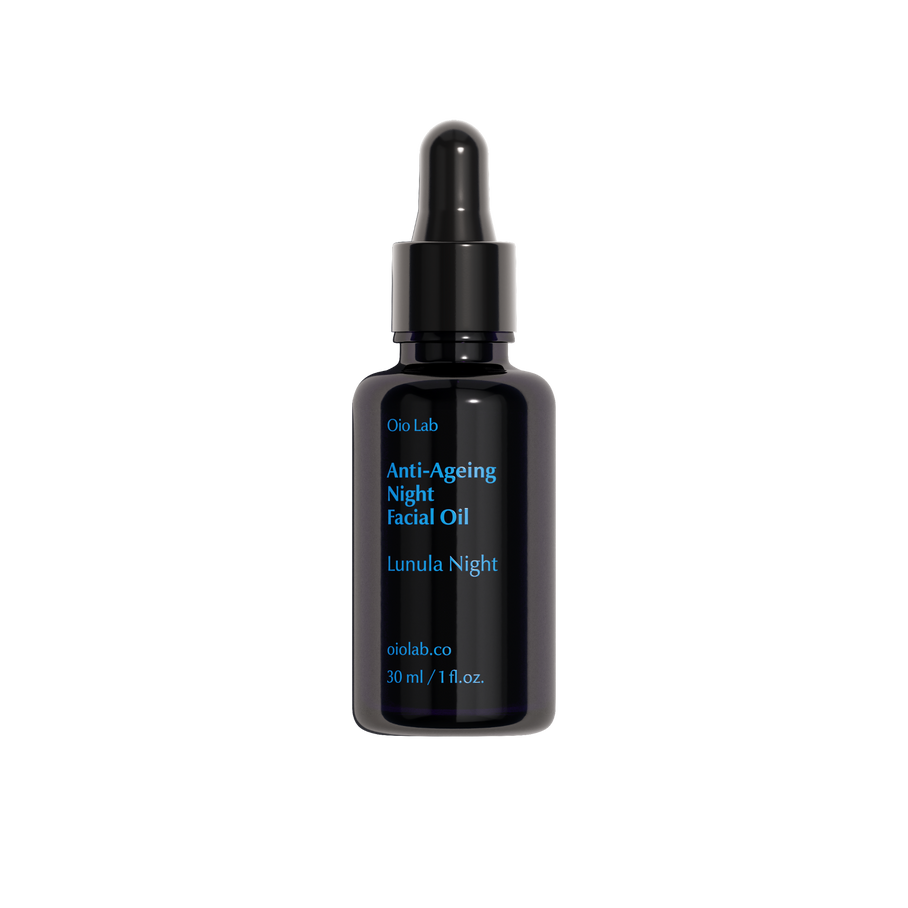

5 reviews
70,00 €
Next-generation retinol serum
Overnight skin renewal
30 ml
11 reviews
70,00 €
Regenerating cream for hormonal skin changes
Firms. Supports skin through change.
45 ml
The skin hydrolipid barrier is a natural protective system in which water and lipids play a key role. It helps limit water loss and protect the skin from external factors. […]
Skin ageing is a natural, multifactorial biological process in which the structure of the skin, its regenerative capacity and the way it functions change over time. Key takeaways: Skin ageing […]
Redness, tightness and discomfort are common signs of reactive skin, which may respond more strongly to external factors. Changes in temperature, stress and UV exposure can intensify these symptoms, particularly […]
Get 10% off, discover our latest launches and go behind the scenes in our Laboratory.