

3 reviews
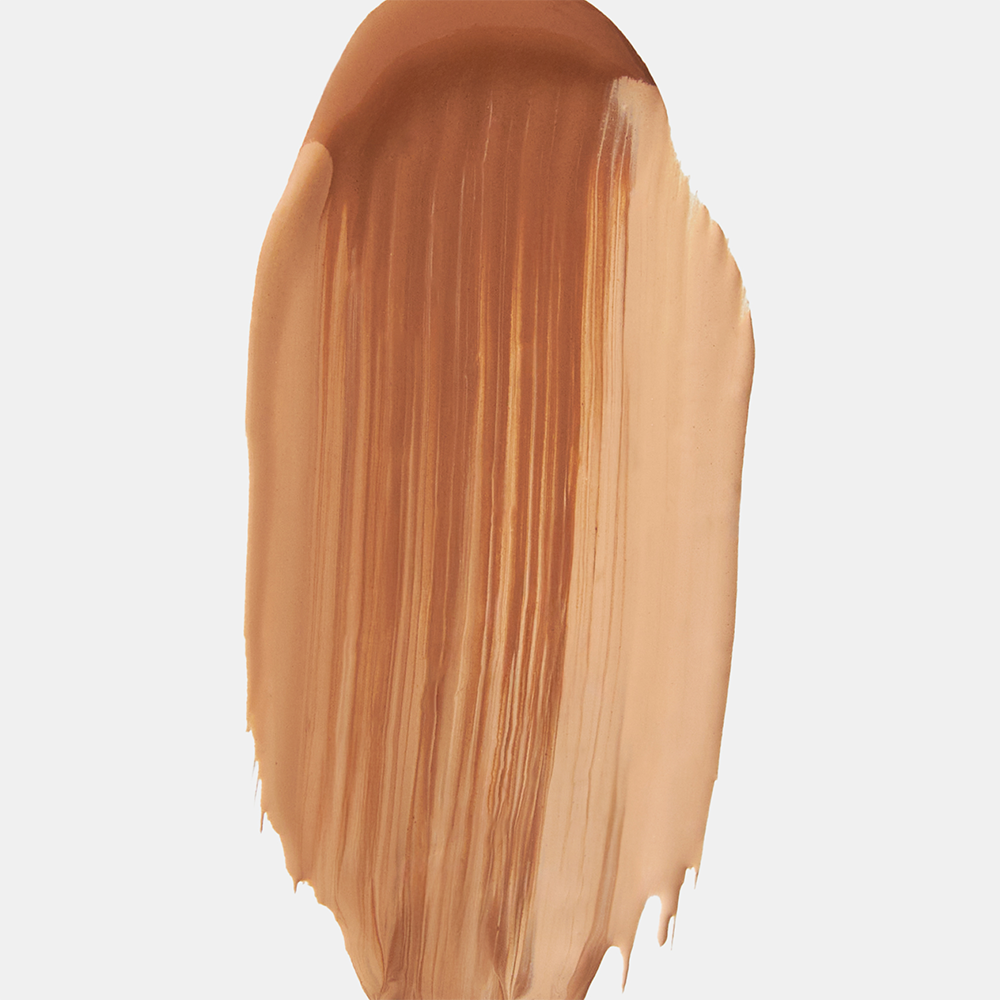
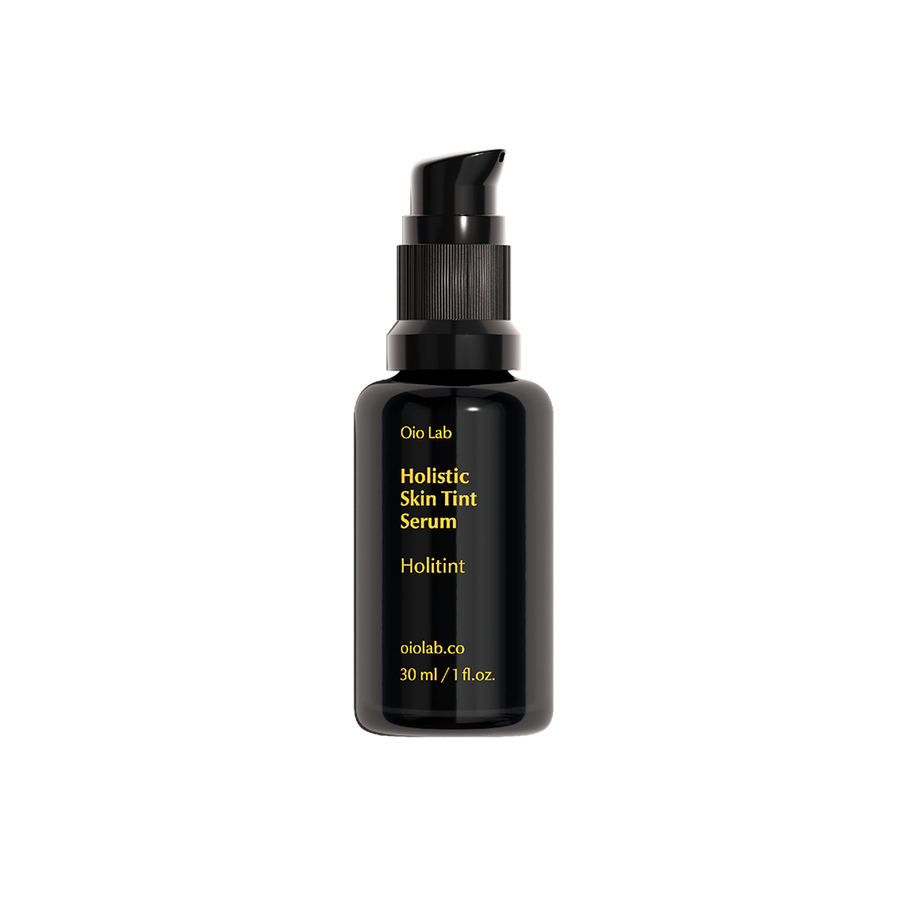
HOLITINT
from 60,00 €
Skin tint with serum-level care
Foundation results. Serum care.
30 ml
Suggested
Bestsellers
3 reviews
from 60,00 €
Skin tint with serum-level care
Foundation results. Serum care.
30 ml

6 reviews
70,00 €
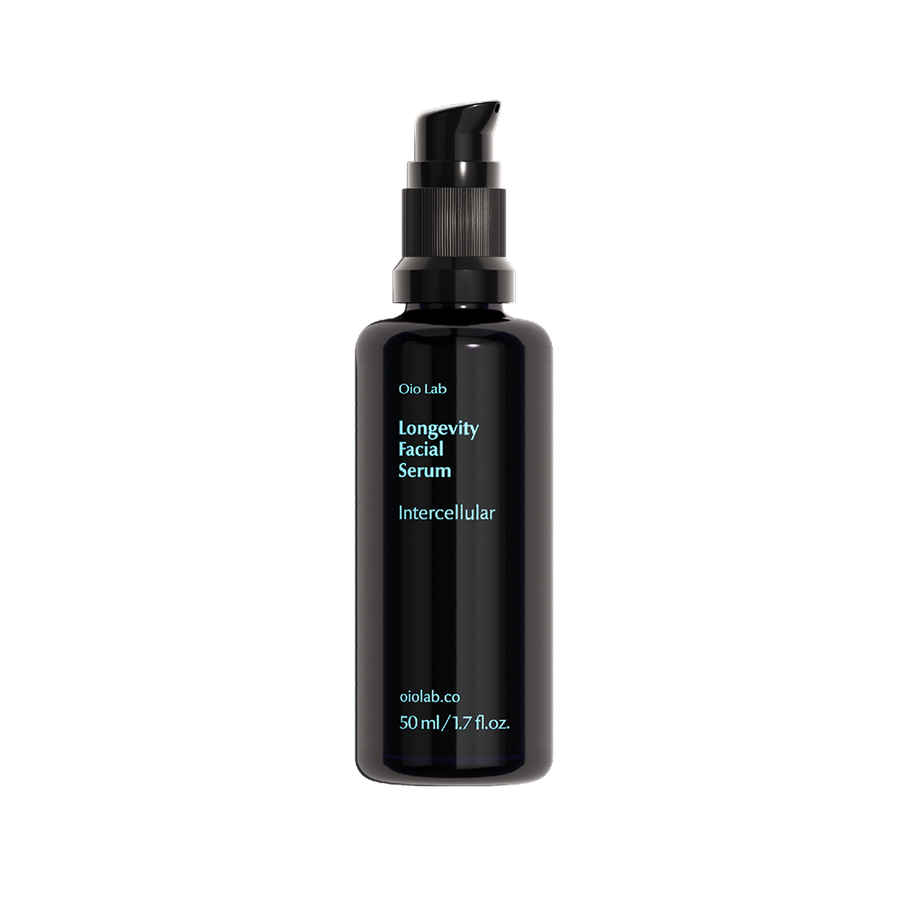
Next-generation longevity serum
Firms skin and restores vitality.
50 ml

11 reviews
70,00 €
Regenerating cream for hormonal skin changes
Firms. Supports skin through change.
45 ml
Updated: 18.05.2026 | By the Oio Lab team
A night retinol serum is one of the most commonly used products in skincare routines focused on smoothing, improving skin texture, and addressing visible signs of ageing.
Contents
However, its effectiveness does not depend on concentration alone. The form of retinol, its stability, the formula base, and the way it supports the skin barrier all play a key role. A well-designed retinol serum should combine effectiveness with high tolerability — especially for skin that is sensitive, dry, or easily irritated.
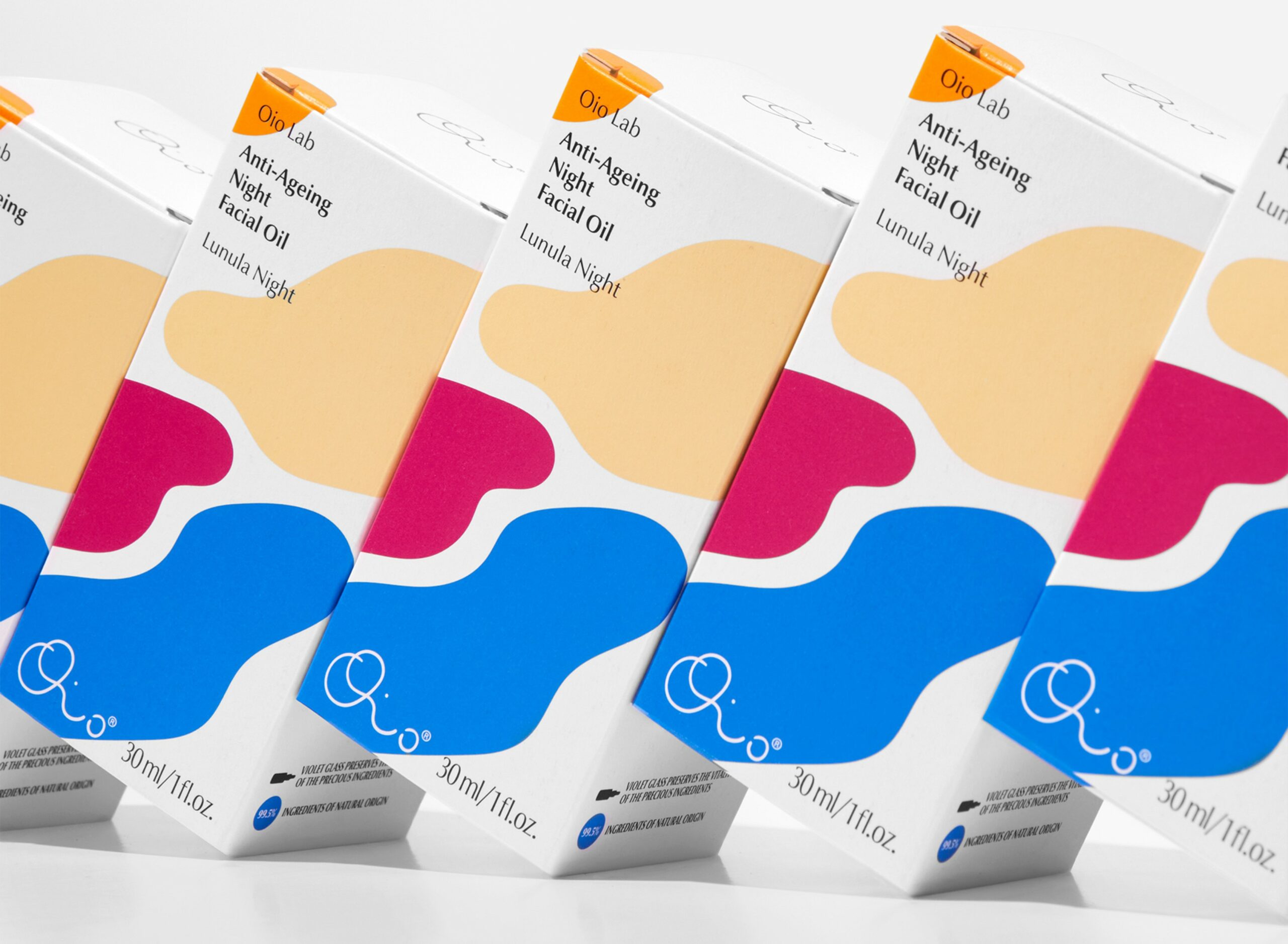
This is the premise behind Lunula Night — an oil-based night retinol serum developed in our Laboratory in Poland.
Retinol belongs to the group of retinoids — vitamin A derivatives. Different forms of retinoids can vary in stability, mechanism of action, release rate, and skin tolerance.
This matters because retinol needs to remain active within the formula and only then be converted in the skin into a form that can effectively support renewal processes. If it degrades too early — for example due to light, air, or temperature — its effectiveness may be reduced, while the risk of irritation can increase.
This is why two retinol products with seemingly similar compositions can perform very differently. One may lead to dryness and discomfort, while another — thanks to a more stable form and a well-designed base — can support the skin effectively, but more gently.
When choosing a retinol serum, it is therefore worth looking not only at the active ingredient itself, but at the overall architecture of the formula.
The first factor is retinol stability. It determines whether the active ingredient retains its effectiveness until it is applied to the skin. Classic retinol is highly sensitive — it easily loses activity when exposed to light, oxygen, and heat.
The second factor is skin tolerance. Retinol can be highly effective, but in an unsuitable formula it may also lead to dryness, flaking, or a feeling of tightness. This is why not only the type of retinol matters, but also the presence of ingredients that support the skin’s hydrolipid barrier.
The third factor is the formula base. A night retinol serum should not act in isolation. A well-designed formula can support regeneration, reduce water loss, and improve overall skin comfort during use.
This is why, in retinol skincare, “more” does not always mean better. What matters is the balance between activity, stability, and tolerance.
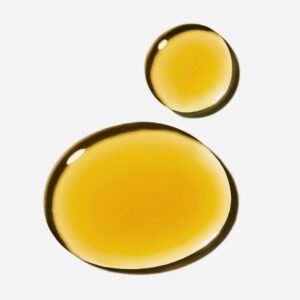
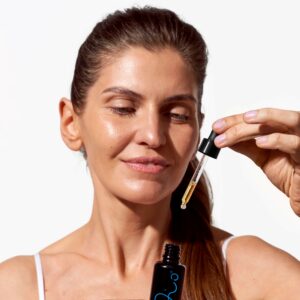
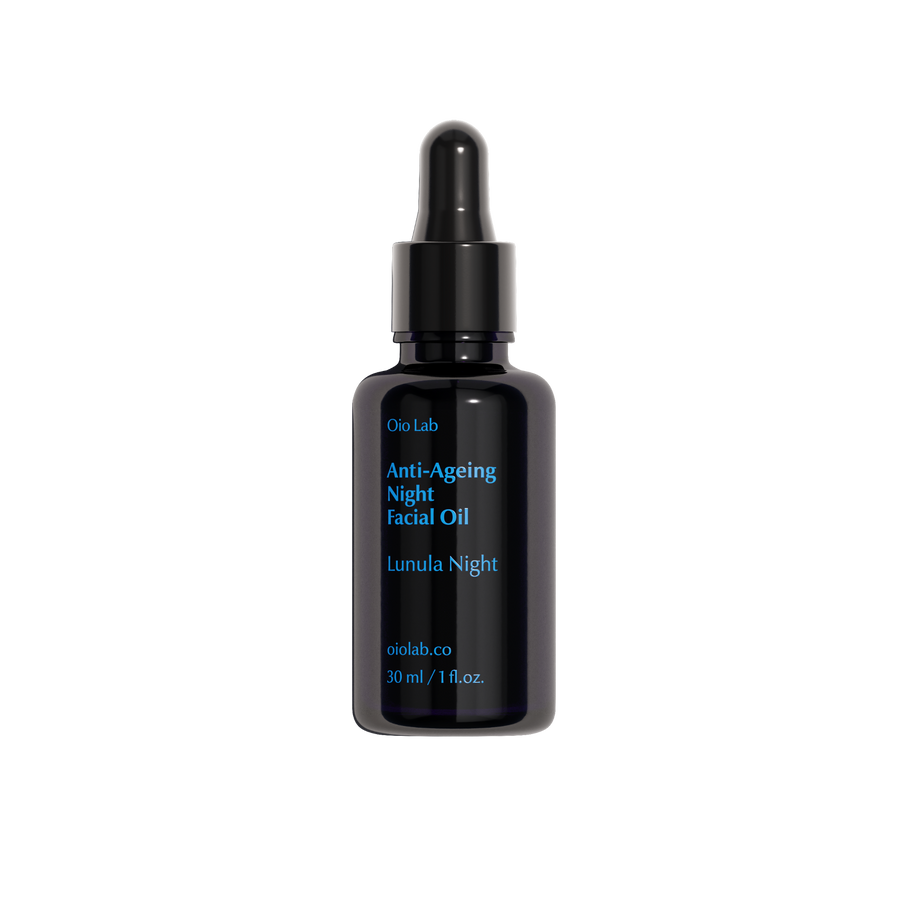
Lunula Night is an oil-based night retinol serum designed to smooth the skin, improve its structure, and support overnight regeneration.
At the core of the formula is next-generation hydrogenated retinol — a more stable form of retinol. According to ingredient data, hydrogenated retinol retains 100% of its activity over time, while classic retinol may lose 77% after one week of light exposure.
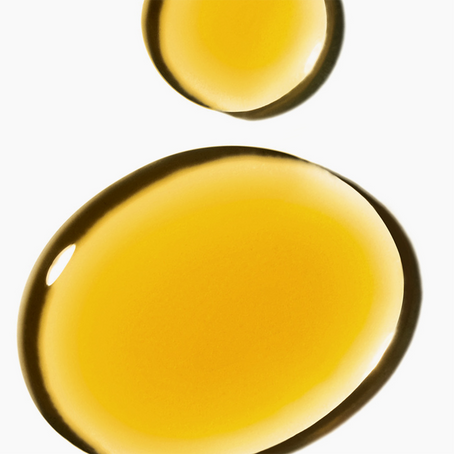
The oil-based formula also plays an important role. It supports the skin’s hydrolipid barrier, helps reduce water loss, and creates a more comfortable environment for active ingredients to work.
In Lunula Night, retinol does not act in isolation. The formula combines next-generation hydrogenated retinol with Oio Lab Cell Revive Complex™, spilanthol CO₂ and mastic oil — ingredients that support skin density, firmness, elasticity and overnight renewal. As a result, the serum works beyond surface-level smoothing. It supports improved skin density, smoother texture, and overall comfort during evening use.
This type of formula architecture makes Lunula Night especially relevant for skin that is sensitive, dry or has previously had difficulty tolerating classic retinol.
Lunula Night works on multiple levels: it supports smoother skin, improved density, and overnight regeneration. The formula is not limited to a surface-level smoothing effect — it is designed to support processes related to skin structure, elasticity, and overall skin quality.
The effects of Lunula Night have been confirmed in studies:
This is particularly important in retinol skincare, where effectiveness should go hand in hand with comfort. A well-designed formula not only delivers results — it should also support the skin throughout the process.
A retinol serum is best used in the evening. At night, the skin regenerates more intensively, and richer textures — such as oil-based formulas — can support the skin’s hydrolipid barrier more effectively.
Apply Lunula Night in the evening to clean, dry skin. After applying lighter-textured products — such as a toner, water-based serum or emulsion — apply 4–5 drops to the face and neck, then gently massage into the skin. Leave the oil-based serum as one of the final steps in your routine.
Retinol should be introduced gradually. Start by applying it 2–3 times per week, observing how your skin responds. If well tolerated, the frequency can be increased over time.
For dry, sensitive, or temporarily compromised skin, the routine can be complemented with a barrier-supporting cream. This can help improve comfort and reduce the risk of dryness. Daily sun protection is also essential.
Apply a high-SPF sunscreen in the morning, as retinol increases the skin’s need for protection against UV exposure.
Bibliography
A retinol serum is best used in the evening, on clean, dry skin. If you use multiple products, apply lighter formulas first and leave the oil-based retinol serum as one of the final steps.
Frequency depends on your skin’s condition and its tolerance to retinol. It is best to introduce it gradually — for example 2–3 times per week — and increase frequency if the skin responds well.
Yes. The formula was designed with high tolerance in mind, including sensitive skin. In application tests, 100% of participants with sensitive skin confirmed good tolerance — without irritation or discomfort during use.
No. Lunula Night contains a retinoid, which is not recommended during pregnancy or while breastfeeding. Consult a doctor if you have questions about using active skincare ingredients during this period.
The effects of retinol appear gradually and are linked to the skin’s renewal processes. In the case of Lunula Night, 98% of users reported smoother skin after the first application. After 4 weeks, instrumental studies showed a 16% reduction in wrinkle surface and improved skin density. After 8 weeks, 95% reported a lasting improvement in skin quality, while 93% reported that the smoothing and firming effect was maintained.
Yes. This is particularly recommended for dry, sensitive, or more demanding skin. A cream can improve comfort, support the skin barrier, and help reduce the risk of dryness.

Martyna Pietrzak-Sikorska
Martyna has spent years exploring the ingredients, formulations and technologies behind skincare. In her writing for Oio Lab, she combines thorough research with an understanding of skin’s needs, showing how ingredient science translates into an everyday skincare ritual. Her focus is on formulas with a clear purpose — and communication that explains why they work.

5 reviews
70,00 €
Next-generation retinol serum
Overnight skin renewal
30 ml
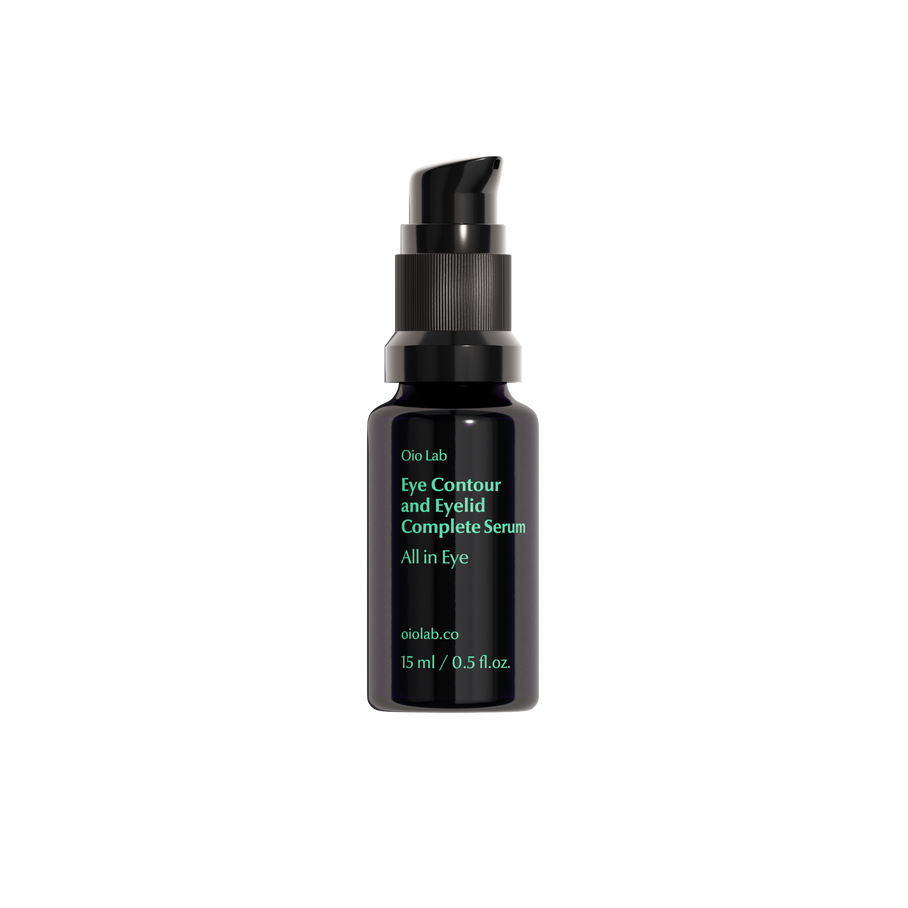

1 review
50,00 €
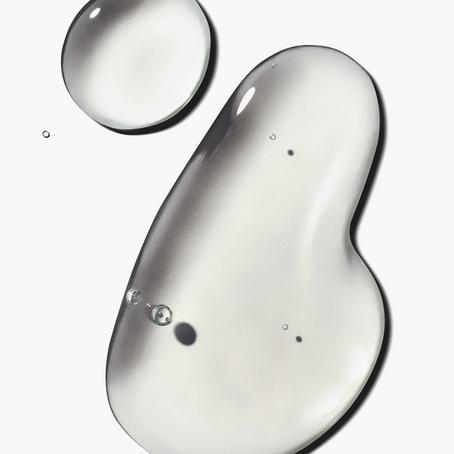
Eye & eyelid serum
Firmer eyelids. Refreshed eyes.
11 reviews
70,00 €
Regenerating cream for hormonal skin changes
Firms. Supports skin through change.
45 ml
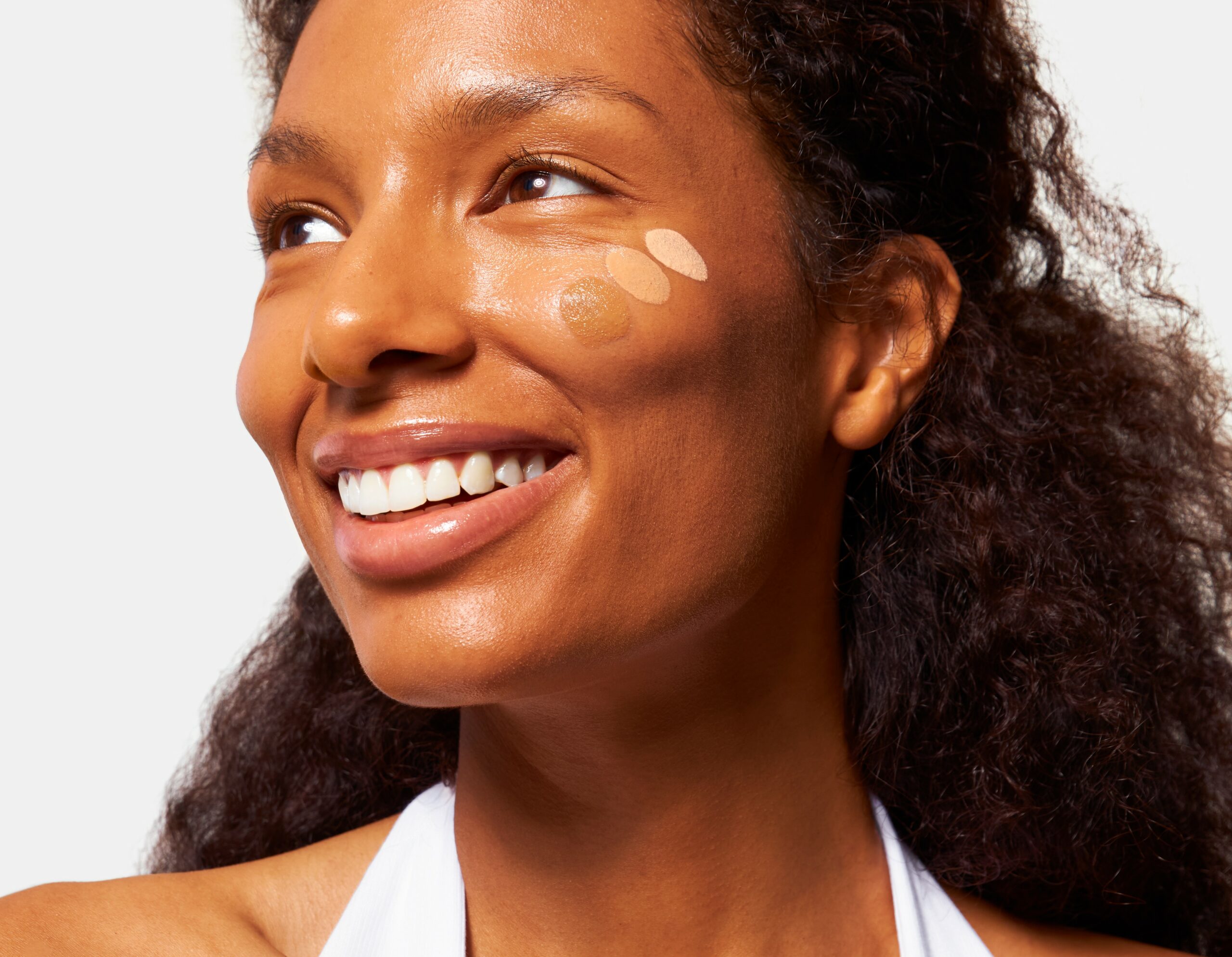
Until recently, makeup and skincare were considered two separate categories. Makeup was primarily designed to deliver a visual effect by evening out skin tone, providing coverage and creating the desired […]
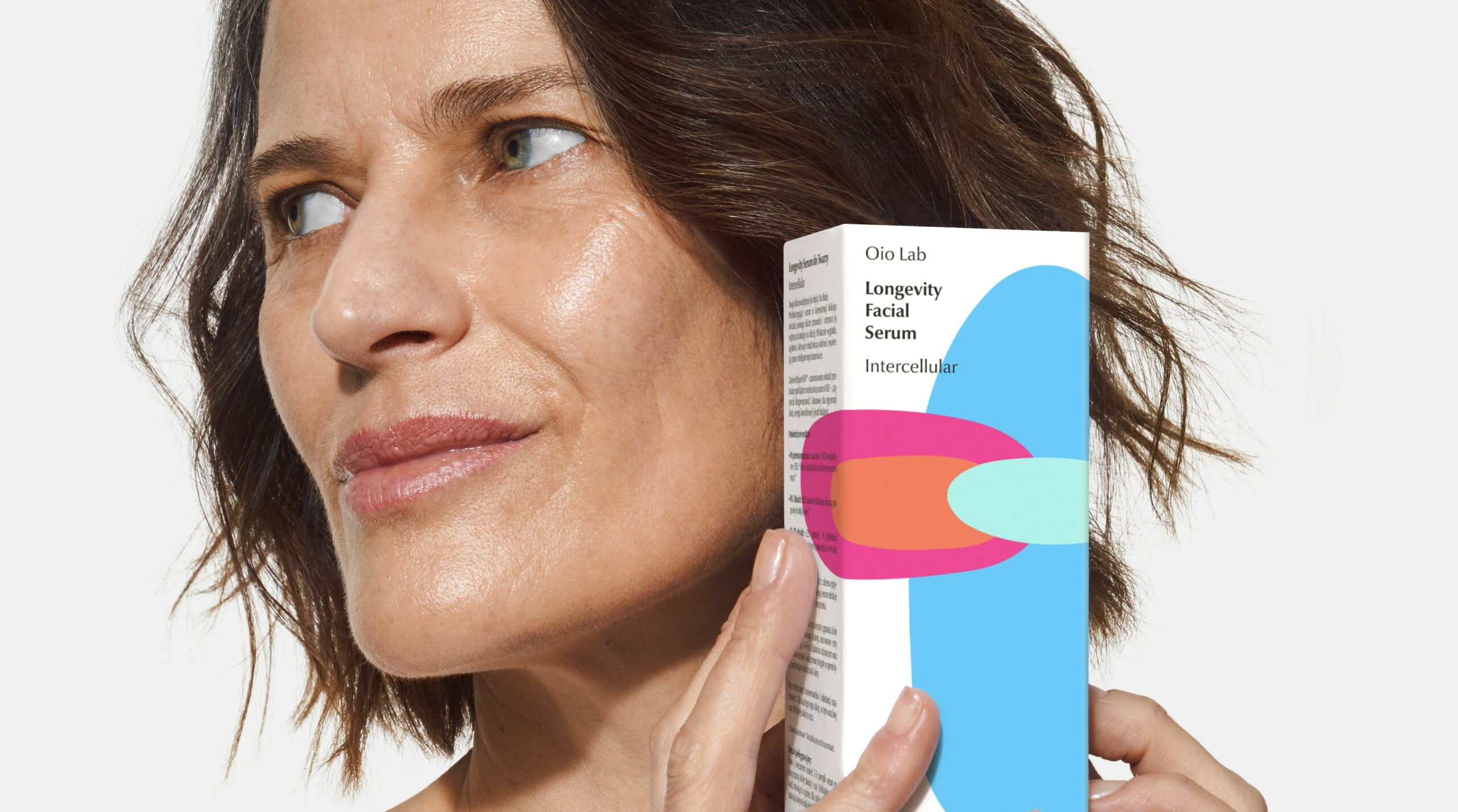
Modern skincare no longer focuses solely on reducing visible signs of ageing. Instead, the longevity approach shifts attention from what can be seen on the skin’s surface to the biological […]
A night retinol serum is one of the most commonly used products in skincare routines focused on smoothing, improving skin texture, and addressing visible signs of ageing. However, its effectiveness […]
Get 10% off, discover our latest launches and go behind the scenes in our Laboratory.