

3 reviews
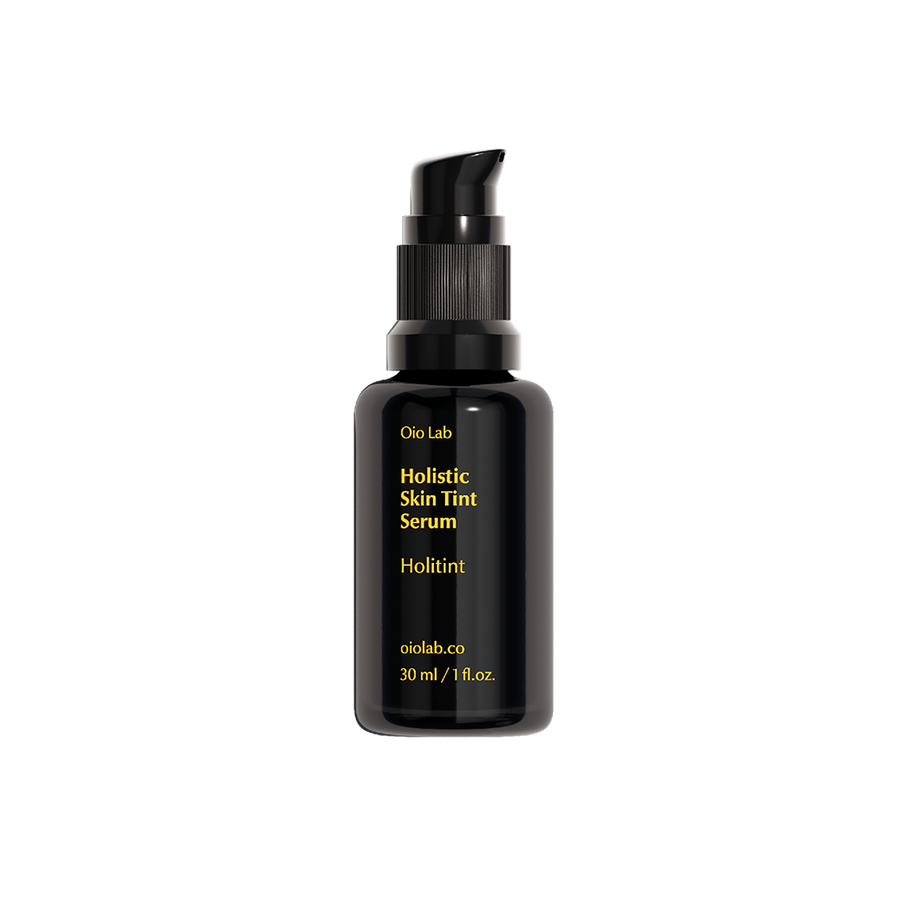
HOLITINT
60,00 €
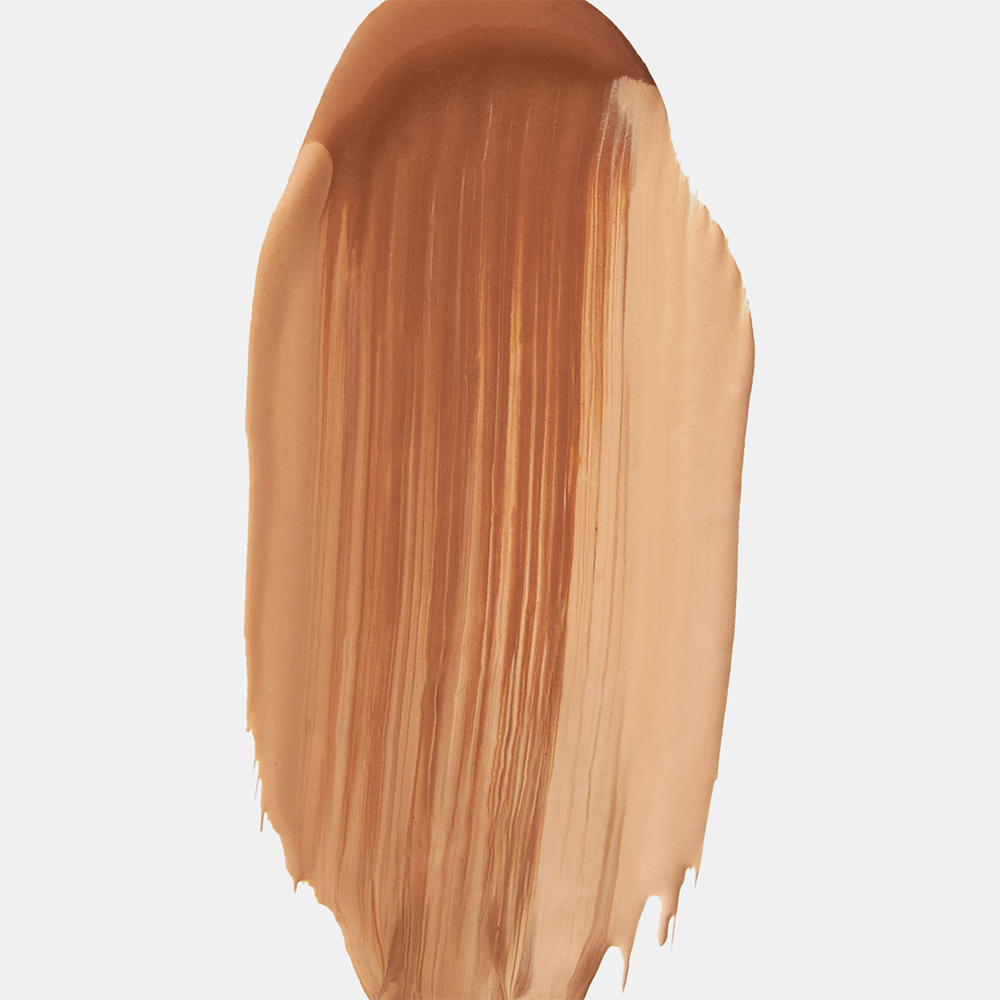
Skin tint with serum-level care
Foundation results. Serum care.
30 ml
Suggested
Bestsellers
3 reviews
60,00 €
Skin tint with serum-level care
Foundation results. Serum care.
30 ml

6 reviews
70,00 €
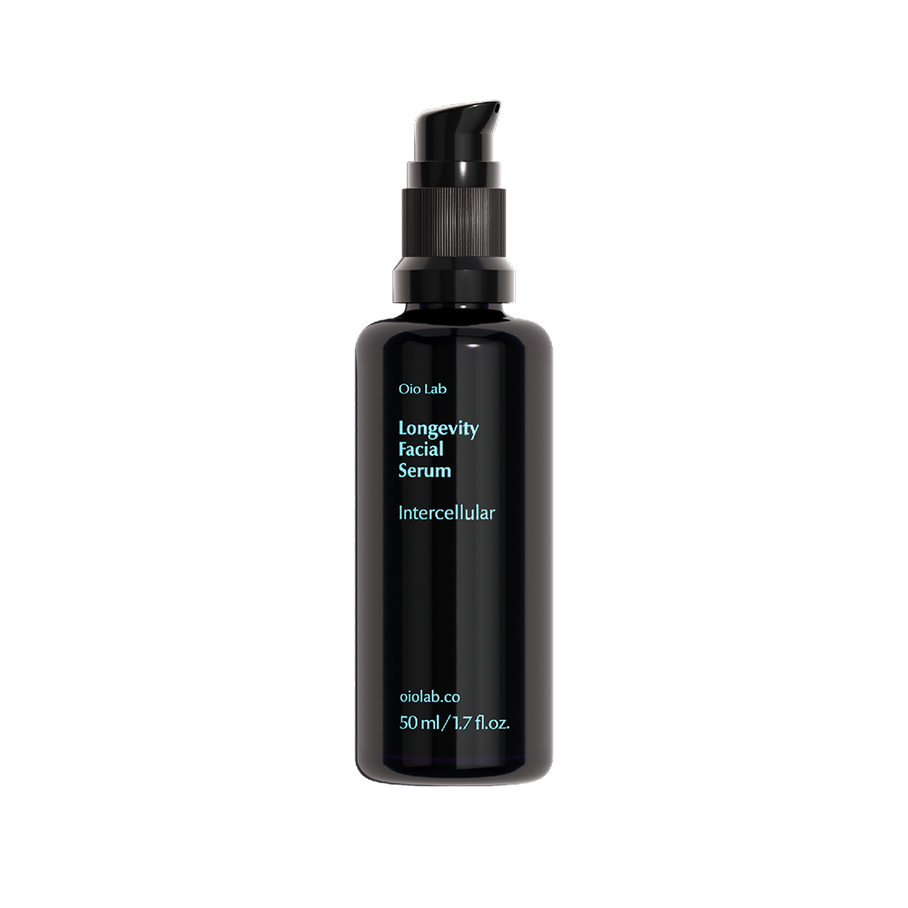
Next-generation longevity serum
Firms skin and restores vitality.
50 ml

11 reviews
70,00 €
Regenerating cream for hormonal skin changes
Firms. Supports skin through change.
45 ml

Updated: 26.10.2026 | By the Oio Lab team
The skin hydrolipid barrier is a natural protective system in which water and lipids play a key role. It helps limit water loss and protect the skin from external factors.
Key takeaways:
Contents
The skin hydrolipid barrier is not a single layer, but a system of interconnected structures that work together to help limit water loss and protect the skin from external factors. One of its key components is the stratum corneum, whose proper organisation is essential for maintaining barrier integrity and limiting transepidermal water loss (TEWL).
The skin hydrolipid barrier is often associated with the hydrolipid mantle – a thin film that covers the skin’s surface. The two are not the same, however. The hydrolipid mantle is the outermost element of the skin’s protective system, formed, among other things, by secretions from the sebaceous and sweat glands. The epidermal barrier, on the other hand, is primarily associated with the stratum corneum, which consists of corneocytes and an organised matrix of intercellular lipids. Its structure plays a key role in limiting water loss and protecting the skin.
The hydrolipid mantle and the epidermal barrier are therefore distinct, but closely connected elements of the skin’s protective system. The skin microbiome also contributes to its proper functioning, while disruption of any of these elements can weaken the skin’s protective barrier.
The skin hydrolipid barrier functions as a well-organised system. Ceramides, cholesterol and free fatty acids act as the intercellular cement, forming an organised lipid structure between the cells of the stratum corneum that helps limit water loss and protect the epidermis from external factors. Equally important is the natural moisturising factor (NMF), which binds water within the stratum corneum and helps maintain adequate hydration. It is the interplay between lipids, water-binding substances and the skin’s surface protective layer that enables the skin to maintain proper hydration and resilience against external factors.
When the skin hydrolipid barrier is weakened, skin comfort is often one of the first things affected. Skincare products that were previously well tolerated may also suddenly cause discomfort or irritation.
One of the first warning signs is how the skin responds to everyday skincare. After cleansing, the skin may feel tight or dry, or it may sting, with the sensation persisting even after applying moisturising products. More visible signs may then appear, including roughness, redness, flaking and increased reactivity to external factors.
A compromised hydrolipid barrier is usually the result of several overlapping factors. Over-cleansing and frequent exfoliation can disrupt its proper functioning and affect the skin’s pH, which plays an important role in maintaining barrier health. Environmental factors can also contribute, including dry air, air conditioning, wind, low temperatures, intense sun exposure and frequent changes in temperature. Regular contact with chlorinated water, for example when swimming in a pool, can also place additional strain on the skin barrier.

There is no single, universal skincare product for restoring the hydrolipid barrier. The key is to adapt the routine to the skin’s needs and choose formulations that help replenish water and lipids in the stratum corneum while limiting water loss. These are the two key aspects to consider when choosing skincare products to support the restoration of the hydrolipid barrier.
When caring for skin with a compromised hydrolipid barrier, it is important to provide the skin with substances that naturally form part of the natural moisturising factor (NMF), such as urea, lactic acid and amino acids, which help bind water within the stratum corneum. Maintaining adequate hydration is also supported by hyaluronic acid, which helps improve skin hydration, suppleness and elasticity.
Increasing the water content of the stratum corneum alone does not mean that the skin will automatically retain it effectively. This is why ingredients that support its lipid structure are equally important, including ceramides, free fatty acids, emollients, plant oils and butters, as well as squalane – a stable form of squalene, which occurs naturally in sebum.
The right balance between hydration and support for the skin’s lipid structures helps limit transepidermal water loss (TEWL), maintain adequate hydration and support the gradual restoration of the hydrolipid barrier.
When caring for skin with a compromised hydrolipid barrier, it is not only the amount of water the skin receives that matters, but also, and above all, how effectively it can retain it.
This multi-level approach to hydration is at the heart of Aquasphere hydrating serum with hyaluronic acid, developed in the Oio Lab Laboratory. The formula combines three complementary hydration systems: five forms of hyaluronic acid with different molecular weights, providing multi-level hydration; elastin precursors that stimulate the skin’s own synthesis while supporting its hydration, suppleness and elasticity; and the proprietary Oio Lab Aqua Retention Complex™, which supports water retention and helps maintain skin hydration for longer.
The efficacy of the formula is confirmed by independent instrumental studies: skin hydration increased by 49.5% after 7 days and by 56% after 28 days. At the same time, regular use for 7 days resulted in a 13% reduction in transepidermal water loss (TEWL).
When the hydrolipid barrier is compromised, a “less is more” approach can be helpful. It is therefore worth limiting skincare products containing acids, retinoids and intensely exfoliating ingredients, as well as products formulated with strong detergents. These substances can increase skin reactivity and exacerbate dryness, particularly when used too frequently or combined with other intensive products. The priority is therefore to minimise factors that could further disrupt the functioning of the weakened hydrolipid barrier.
Restoring the hydrolipid barrier takes time, attention, patience and consistency. The first step should be to limit anything that may place additional stress on the skin, followed by creating conditions that support its recovery. In practice, it is worth starting with three simple changes.
1. Simplify the skincare routine
When the skin hydrolipid barrier is weakened, it is worth significantly reducing the number of skincare products used. A less intensive routine helps minimise additional stress on the skin and create conditions that support its recovery.
2. A routine that supports barrier restoration
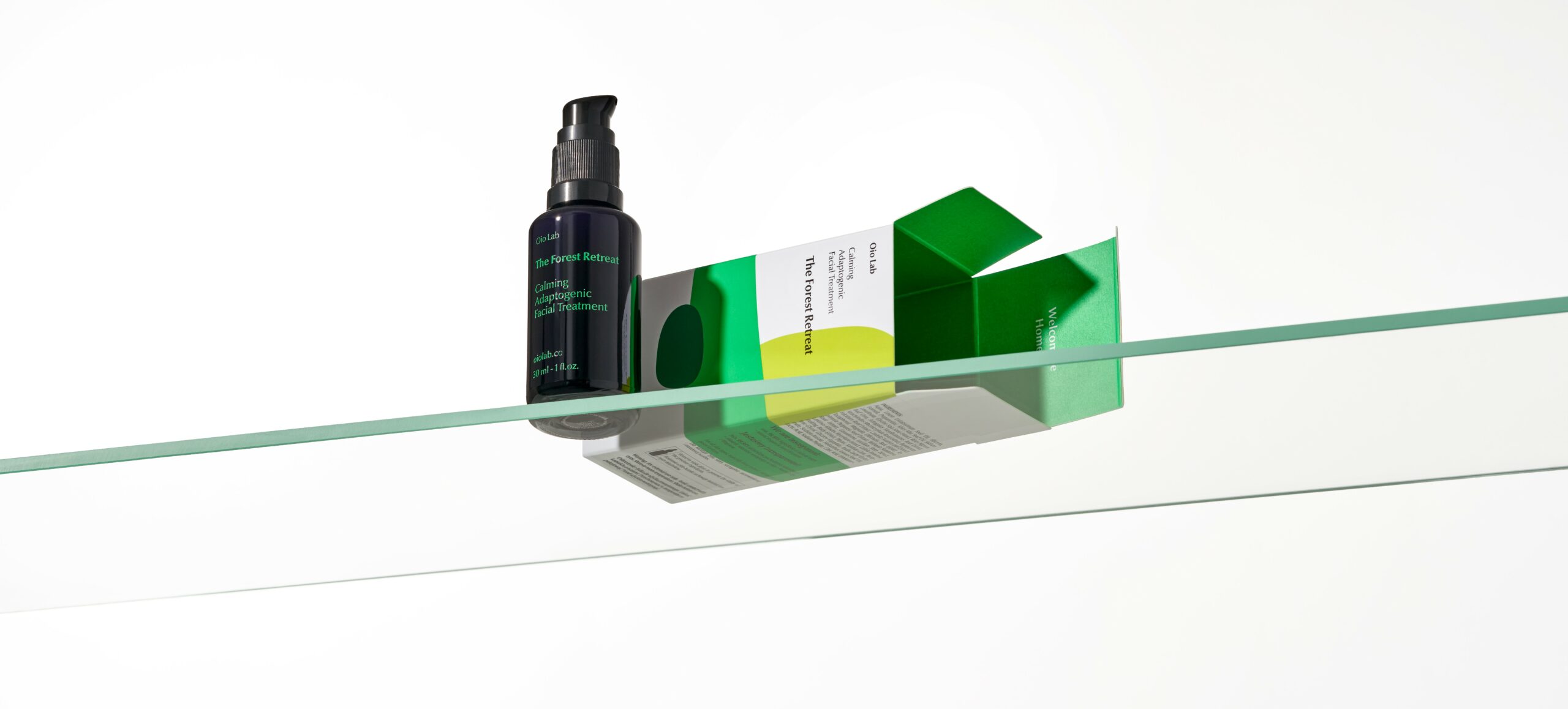
The foundation should be gentle cleansing, followed by hydration and support for the skin’s lipid layer (a combination such as Aquasphere hydrating serum and The Forest Retreat soothing emulsion may work well). This sequence addresses the basic needs of a weakened hydrolipid barrier: it not only provides water, but also helps limit water loss.
3. Daily protection
Restoring the hydrolipid barrier does not end with an evening skincare routine. Daily protection from factors that may place additional stress on the barrier also matters. Use an SPF product, wash the face with lukewarm rather than hot water, protect the skin from frost and wind, and maintain adequate humidity, particularly in air-conditioned spaces.
There is no single timeframe for restoring the hydrolipid barrier. The time needed for the skin to recover depends on the extent of the impairment – with milder impairment, improvement may become visible after around a week, while a more severely compromised barrier may take several weeks to recover. During this time, consistent, gentle skincare and limiting factors that could further weaken or irritate the skin are particularly important.
Active ingredients should only be reintroduced once the signs of a weakened barrier have subsided. The condition of the skin, rather than the number of days since beginning the restoration process, should be the point of reference. It is also worth remembering that after a period of calming the skin, intensely exfoliating acids or retinoids should be reintroduced gradually, while carefully observing the skin’s tolerance.
Bibliography:
Yes, provided the skin tolerates makeup products well and they do not cause stinging, burning or additional irritation. It is worth choosing gentle formulas and limiting the number of products applied. If makeup causes discomfort, it is better to take a break until the condition of the skin improves.
When the hydrolipid barrier is visibly compromised, it is better to avoid treatments that may further disrupt the epidermis or involve intensive exfoliation. The decision to return to professional treatments should depend on the condition and tolerance of the skin. If in doubt, it is worth consulting a cosmetologist or dermatologist about the choice of treatment.
The mechanisms that form the skin’s protective barrier are similar on the face and body, but their needs may differ. In body care, regular hydration and support for the lipid layer are particularly important, especially in areas prone to dryness.

Martyna Pietrzak-Sikorska
Martyna has spent years exploring the ingredients, formulations and technologies behind skincare. In her writing for Oio Lab, she combines thorough research with an understanding of skin’s needs, showing how ingredient science translates into an everyday skincare ritual. Her focus is on formulas with a clear purpose — and communication that explains why they work.
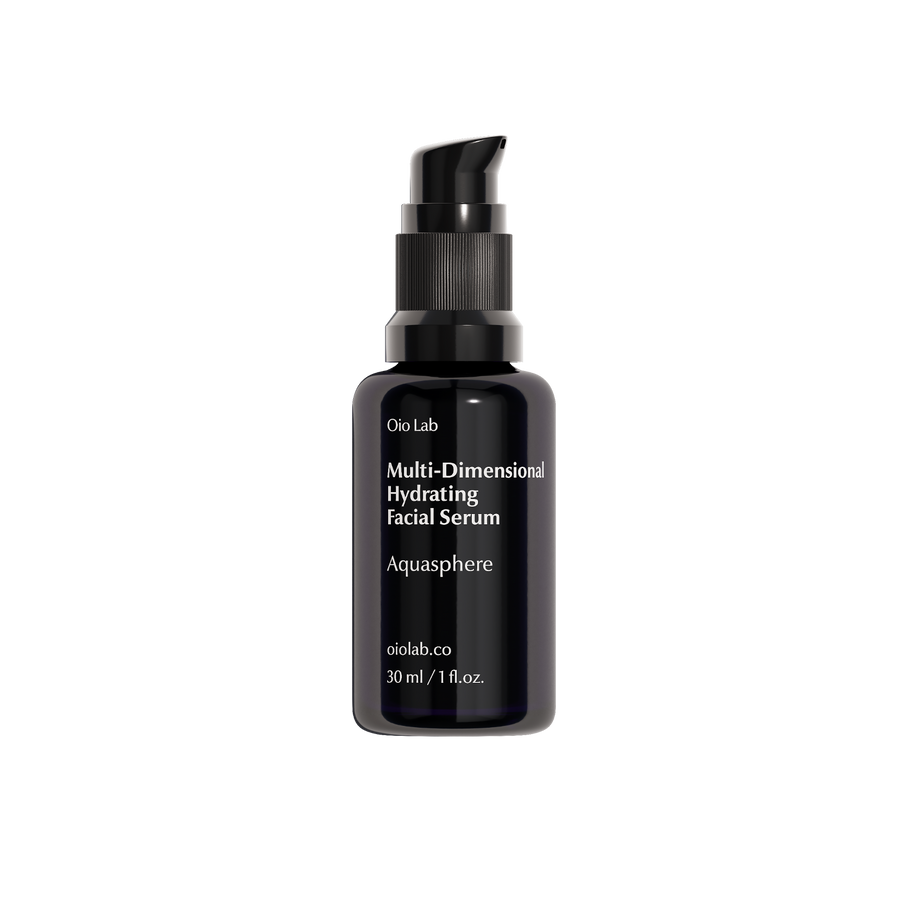

6 reviews
50,00 €
Multi-level hydrating serum
Hydrates and supports the skin barrier
30 ml
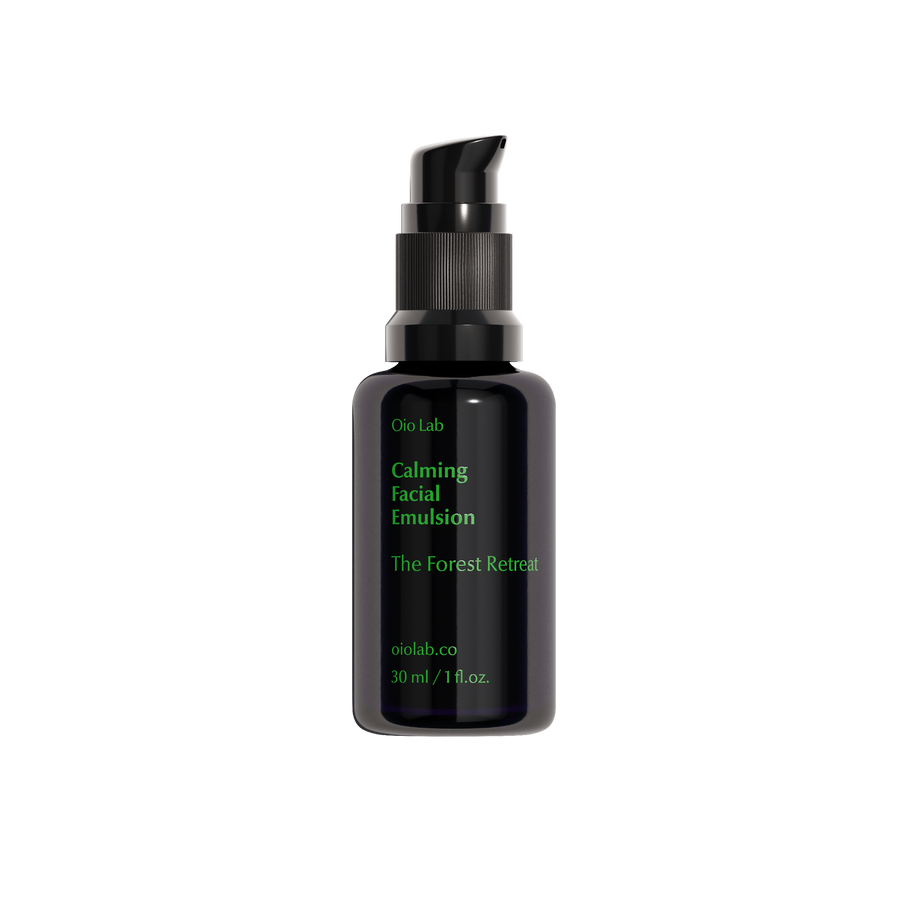

4 reviews
60,00 €
Anti-stress facial emulsion
Strengthens skin. Reduces redness.
30 ml
6 reviews
70,00 €
Next-generation longevity serum
Firms skin and restores vitality.
50 ml
The skin hydrolipid barrier is a natural protective system in which water and lipids play a key role. It helps limit water loss and protect the skin from external factors. […]
Skin ageing is a natural, multifactorial biological process in which the structure of the skin, its regenerative capacity and the way it functions change over time. Key takeaways: Skin ageing […]
Redness, tightness and discomfort are common signs of reactive skin, which may respond more strongly to external factors. Changes in temperature, stress and UV exposure can intensify these symptoms, particularly […]
Get 10% off, discover our latest launches and go behind the scenes in our Laboratory.