

3 reviews
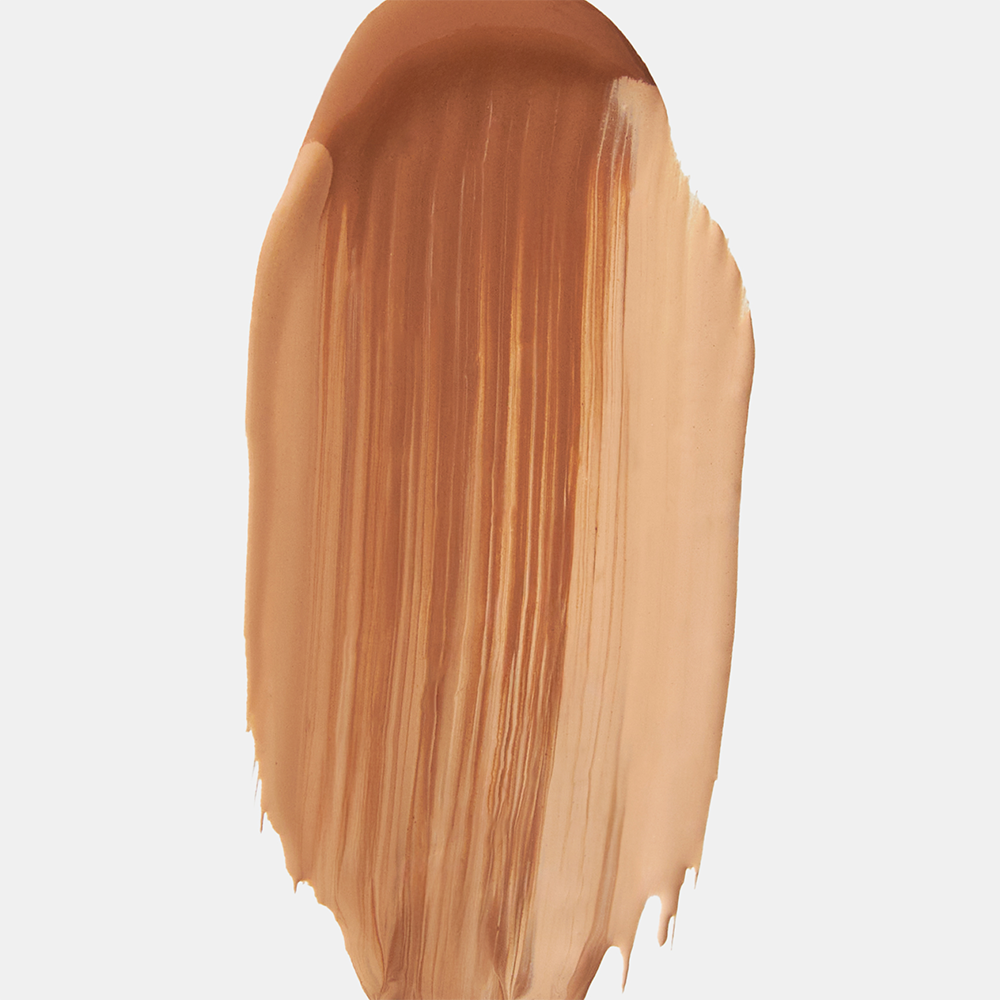
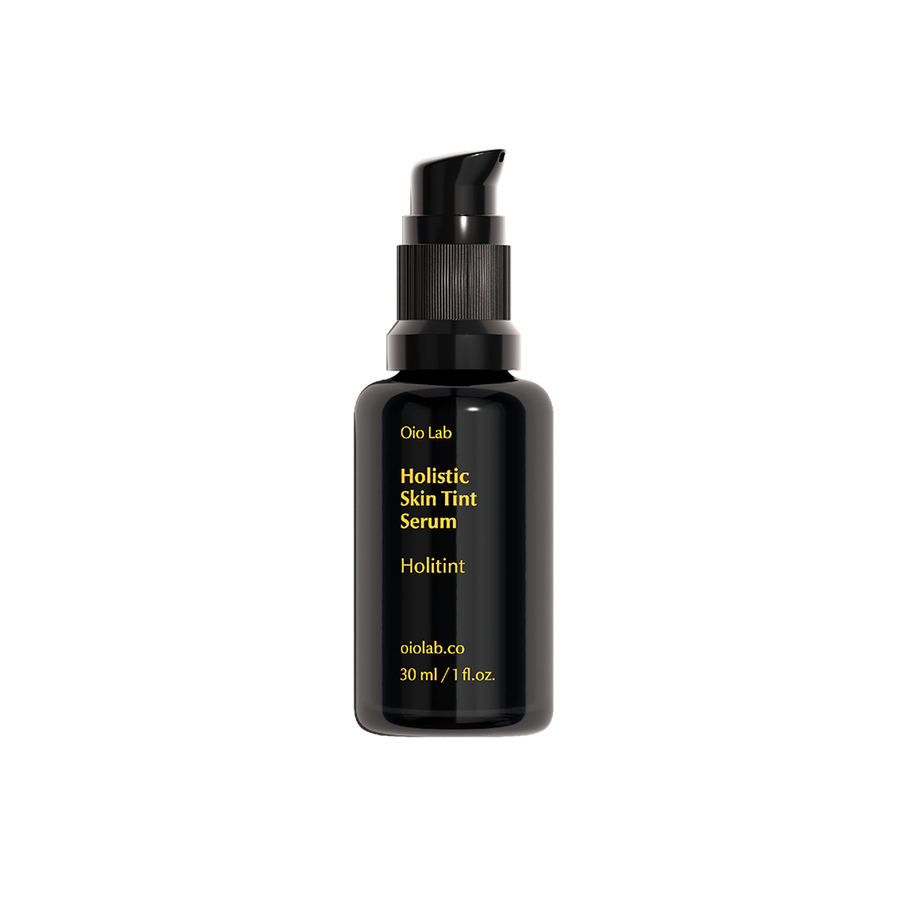
HOLITINT
60,00 €
Skin tint with serum-level care
Foundation results. Serum care.
30 ml
Suggested
Bestsellers
3 reviews
60,00 €
Skin tint with serum-level care
Foundation results. Serum care.
30 ml

6 reviews
70,00 €
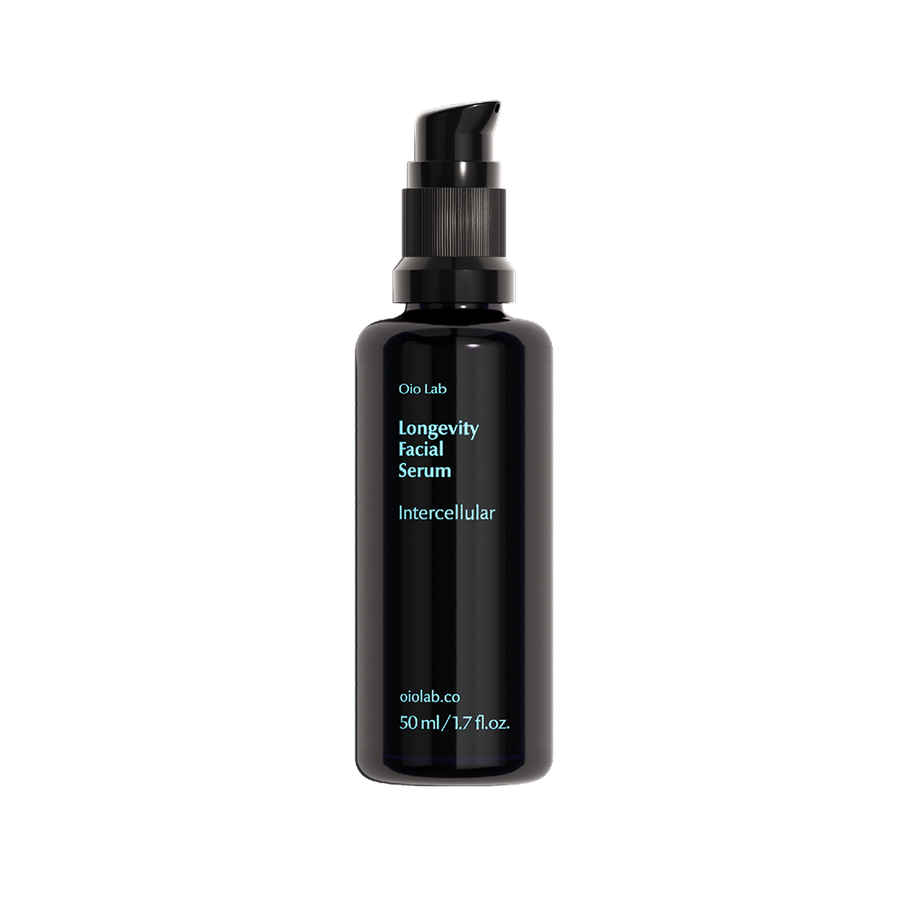
Next-generation longevity serum
Firms skin and restores vitality.
50 ml

11 reviews
70,00 €
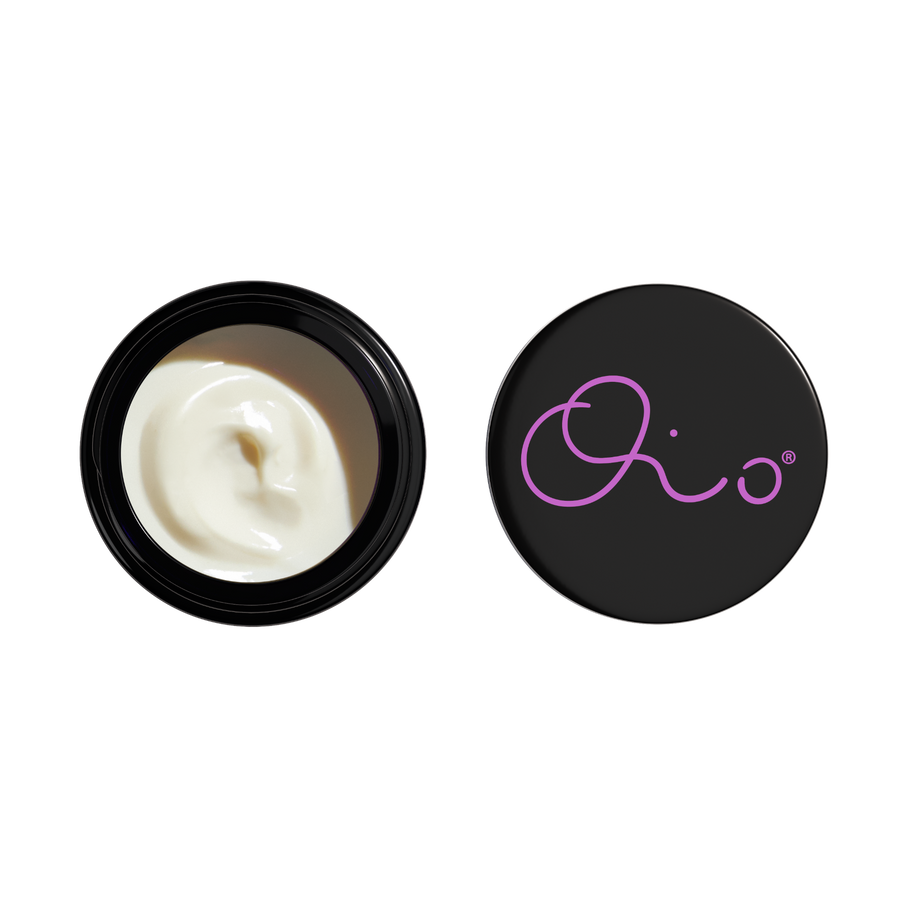
Regenerating cream for hormonal skin changes
Firms. Supports skin through change.
45 ml
Updated: 01.10.2026 | By the Oio Lab team
The skin and its needs evolve throughout life, shaped by age, lifestyle, environmental exposure and the biological processes within the body. Among the most significant are the hormonal changes that occur during menopause, which can gradually affect the skin’s hydration, elasticity, ability to regenerate and the function of its protective barrier.
Contents
As a result, a skincare routine that has met the needs of the skin for years may, over time, no longer provide the same level of comfort and support. Understanding how the skin changes makes it possible to adapt your daily routine more consciously – not by adding more products or reaching for increasingly intensive active ingredients, but by choosing formulations that are designed to address the skin’s changing needs.
Although hormonal changes occur at different stages of life, those associated with perimenopause, menopause and postmenopause are particularly significant for the skin. During this time, the production of oestrogen and progesterone gradually declines – hormones that influence not only the body as a whole, but also skin health. As their receptors are present in both the epidermis and the dermis, hormonal changes during menopause can affect both the appearance of the skin and its function.
As oestrogen and progesterone levels begin to decline, the processes responsible for maintaining the skin’s structure and condition gradually slow down. Fibroblast activity, which supports the production of collagen and elastin, decreases, the protective barrier becomes weaker, and the skin gradually loses its ability to retain water. Transepidermal water loss (TEWL) also increases, meaning that the skin loses moisture more quickly. As a result, skin regeneration slows down and the skin becomes more susceptible to environmental stressors.
The skin’s needs do not change overnight. Instead, they evolve gradually over time. One of the most noticeable consequences of hormonal changes in the body is a weakened skin barrier. As the skin becomes less able to retain water, it can become drier, making fine lines and wrinkles appear deeper and more pronounced. It also becomes more sensitive to environmental stressors and more susceptible to oxidative stress. A feeling of tightness and discomfort may become more common, along with an increased tendency towards irritation. The skin’s ability to regenerate can also decline. As the processes responsible for maintaining firmness, elasticity and smoothness gradually slow down, the skin needs more time to restore its balance.
During periods of hormonal change, formulas that have supported the skin’s comfort and condition for years may gradually become less effective at meeting its needs. This is not necessarily because the products themselves have changed, but because the way the skin functions evolves – and with it, its skincare needs.
As oestrogen levels decline, the processes responsible for maintaining hydration, elasticity and a healthy skin barrier gradually slow down. The skin may require more support than before. Dryness and tightness can become more noticeable, while the skin may become more reactive and prone to redness. This doesn’t mean that your daily skincare routine needs to become more extensive. What matters more than the number of products is choosing formulations that respond to the skin’s changing needs during hormonal changes.
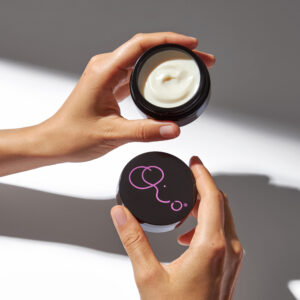
During periods of hormonal change, skincare should primarily support the processes that become less active as oestrogen levels decline. Its role is not to stop natural biological processes, but to support the skin where it needs it most – helping to maintain hydration, strengthen the protective barrier and support its natural regenerative processes.
For this reason, it is worth choosing formulas that help minimise water loss, support the restoration of the skin barrier and help the skin regain its balance. Equally important are active ingredients that support regenerative processes and help improve skin firmness and elasticity. During periods of hormonal change, nourishing, richer formulations can also help provide greater comfort and reduce feelings of dryness and tightness. At the same time, skincare should remain gentle, helping to support the skin’s natural functions without compromising its protective barrier.
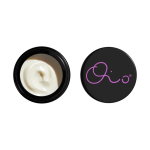
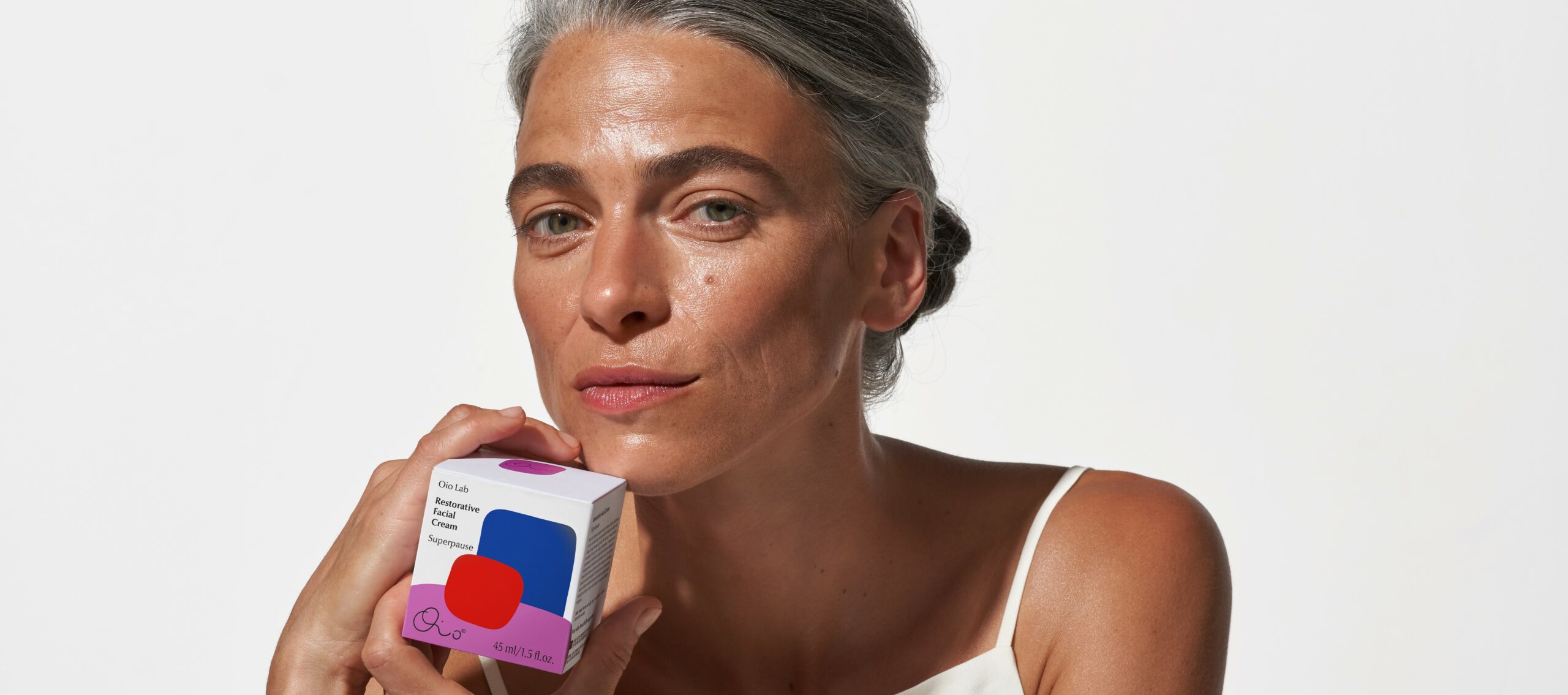
Developed to address the needs of skin during hormonal changes, Superpause is an ultra-rich regenerating cream developed in our Laboratory in Poland. The formula is designed for skin whose needs evolve through the different stages of hormonal change – from perimenopause to postmenopause. It supports processes that naturally become less active during this time, helping to restore skin comfort, maintain optimal hydration and support skin density and elasticity.
At the heart of the Superpause formula is chasteberry extract, which supports skin regeneration and stimulates DHEA biosynthesis – a precursor to hormones that play an important role in maintaining skin density and elasticity. The formula is complemented by liposomal melatonin, which supports overnight skin regeneration and helps protect cells against oxidative stress. The third pillar of Superpause is natural glycoin, inspired by the “resurrection plant”. It supports cellular metabolism and natural regenerative processes, helping the skin restore its energy and vitality. The formula also supports skin barrier function, helps minimise transepidermal water loss (TEWL) and helps maintain optimal hydration levels.
The efficacy of Superpause is confirmed not only by consumer in-use testing, but above all by independent instrumental studies using specialised equipment to measure real changes in the skin:
These results are particularly relevant when caring for skin during periods of hormonal change, when its needs gradually evolve. Long-term support for the processes responsible for maintaining hydration, regeneration and a healthy skin barrier can help preserve skin comfort, elasticity and overall condition throughout the different stages of menopause.
Skin during periods of hormonal change needs consistent support, which is why effective skincare depends not only on choosing the right active ingredients, but also on using them regularly.
Superpause can be used morning and evening, after cleansing the skin and applying a toner and serum. Gently massage a small amount into the skin of the face, neck and décolleté and allow it to absorb fully. If your skin needs additional hydration, apply Aquasphere before Superpause. Aquasphere is a multi-level hydrating facial serum that helps restore and maintain optimal skin hydration. If signs of fatigue and wrinkles are most visible around the eyes, All In Eye, an eye and eyelid serum, is an ideal addition to your routine, formulated specifically for this particularly delicate area.
Importantly, hormonal changes do not affect only the skin of the face. As oestrogen levels decline, dryness and a weakened skin barrier can also affect the scalp. For this reason, Fulvic Ionic, a mineral hydrating toner, can also be incorporated into your daily routine. It helps restore the balance of the skin’s microenvironment on the face and scalp, supports its natural protective processes and prepares the skin for the next steps in your skincare routine.
Bibliography:
Standard moisturisers for skin during menopause often focus primarily on improving skin comfort and hydration. Superpause takes a multi-level approach, supporting skin hydration, the protective barrier, density and elasticity, with its efficacy confirmed through instrumental and consumer studies.
Superpause takes a multi-level approach: it provides intensive hydration, supports the skin barrier, helps improve skin density and reduces wrinkle depth. Instrumental studies confirmed a 43% increase in skin hydration after just 1 hour and a 9% reduction in wrinkle depth after 4 weeks of use.
It can be introduced when the first signs of change appear, such as increased dryness, reduced elasticity, loss of firmness, a weakened skin barrier or a more fatigued appearance. Superpause can be used from perimenopause through postmenopause, depending on the needs of your skin.
Yes. Superpause is a firming cream that takes a broader approach than standard firming formulas, supporting skin density, elasticity and regeneration during hormonal changes. Studies confirmed an improvement in skin density after 4 weeks, while 100% of participants reported that their skin felt more elastic.
Superpause is designed for dry, mature, sensitive or less elastic skin, as well as skin affected by hormonal changes. It is particularly suitable when the skin begins to lose comfort, density or elasticity and needs richer, regenerating care.
Yes. The cream has been dermatologically tested on sensitive skin and demonstrated high skin tolerance. The formula contains 99.96% ingredients of natural origin and is free from synthetic fragrance compositions.

Martyna Pietrzak-Sikorska
Martyna has spent years exploring the ingredients, formulations and technologies behind skincare. In her writing for Oio Lab, she combines thorough research with an understanding of skin’s needs, showing how ingredient science translates into an everyday skincare ritual. Her focus is on formulas with a clear purpose — and communication that explains why they work.
11 reviews
70,00 €
Regenerating cream for hormonal skin changes
Firms. Supports skin through change.
45 ml
6 reviews
70,00 €
Next-generation longevity serum
Firms skin and restores vitality.
50 ml

5 reviews
70,00 €
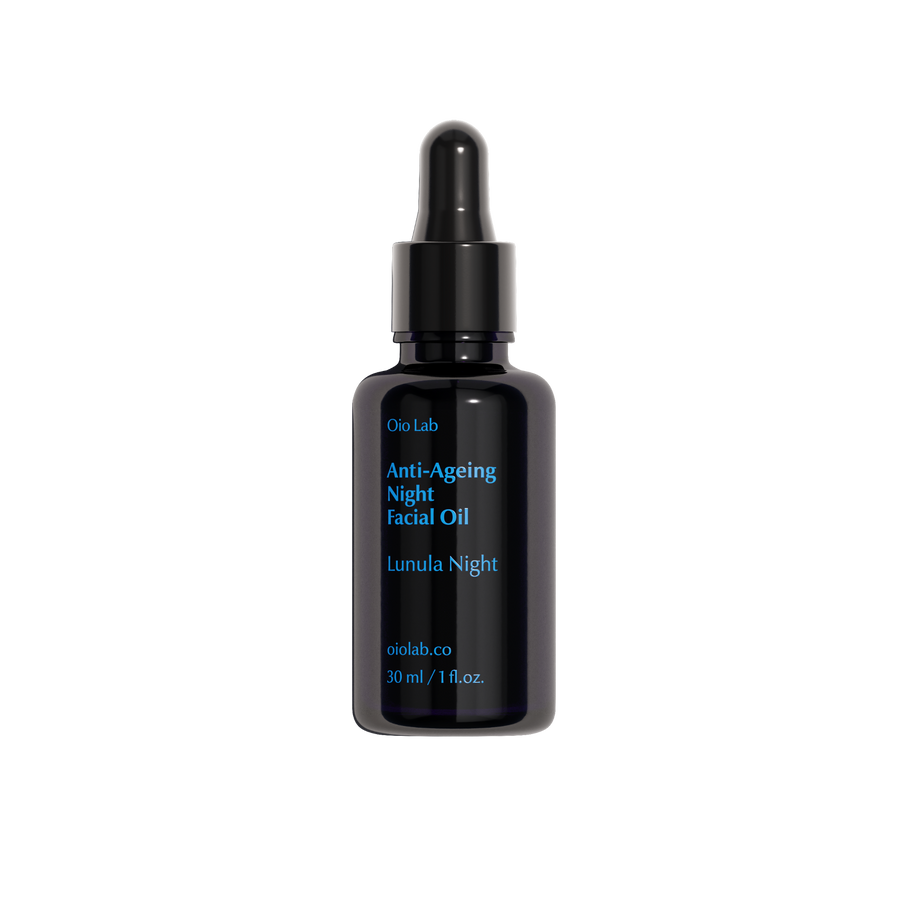
Next-generation retinol serum
Overnight skin renewal
30 ml
The skin and its needs evolve throughout life, shaped by age, lifestyle, environmental exposure and the biological processes within the body. Among the most significant are the hormonal changes that […]
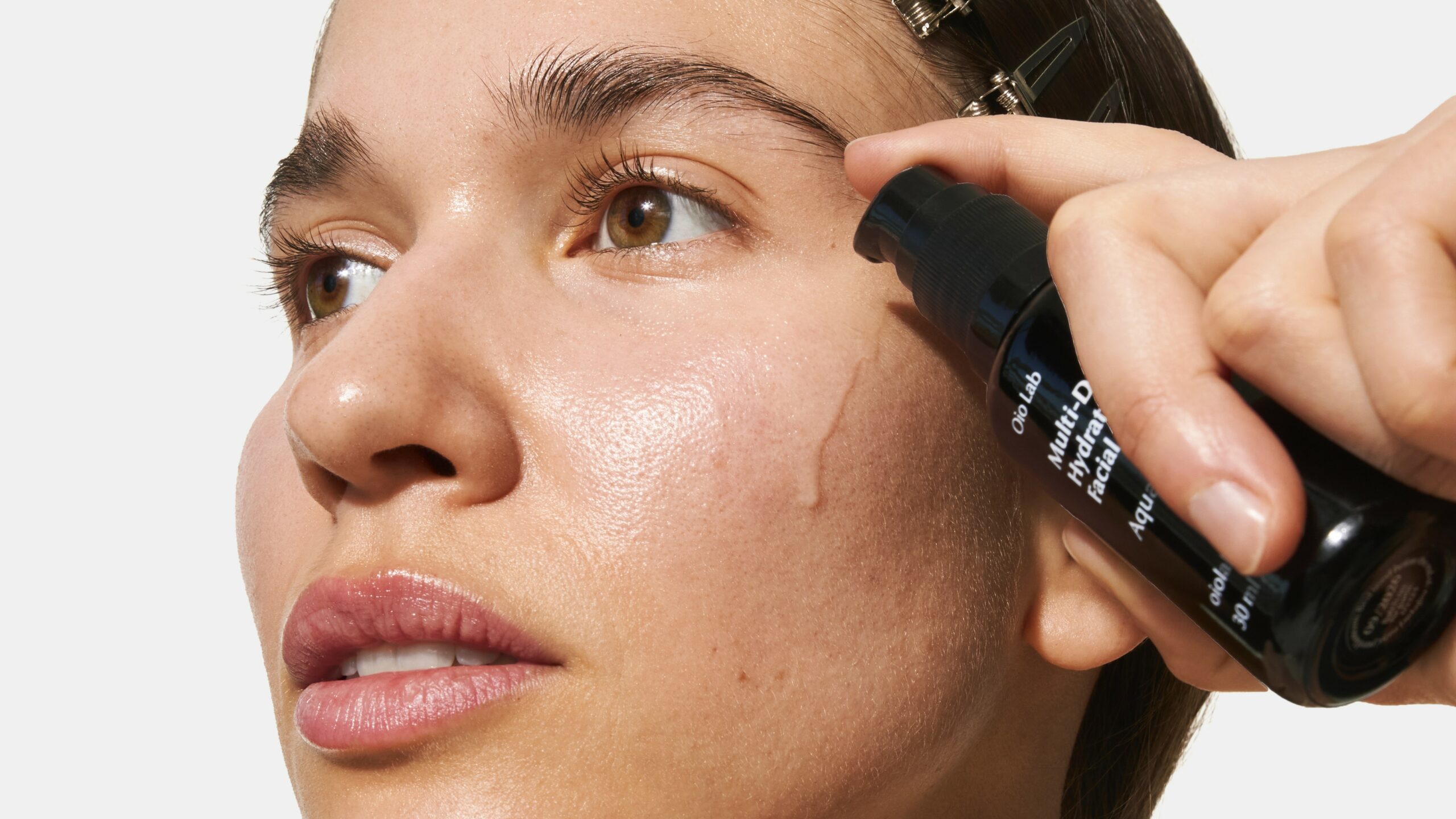
Effective skin hydration is about more than delivering an instant smoothing effect. Long-lasting, stable hydration depends on a thoughtfully designed formula that not only helps bind water but also supports […]
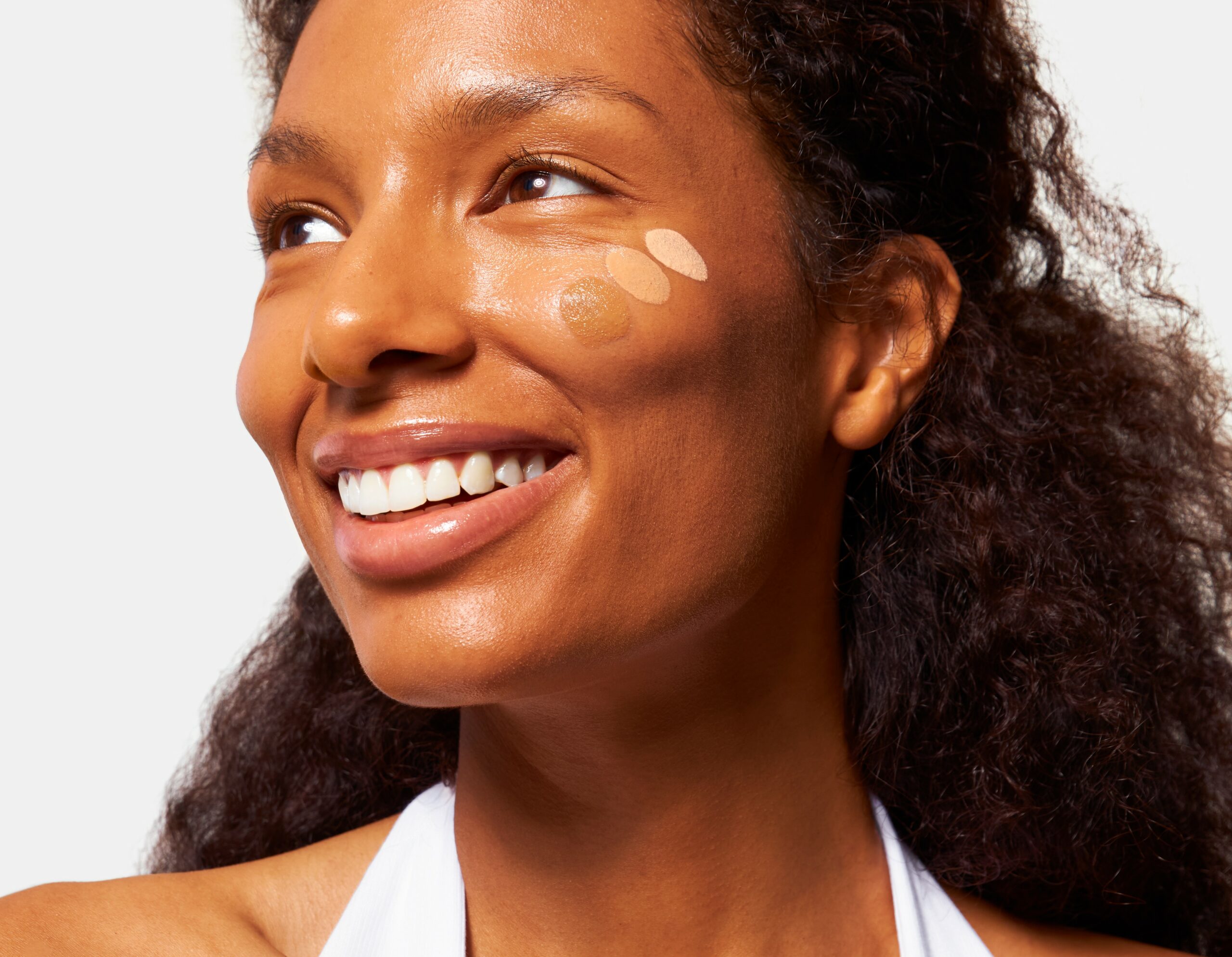
Until recently, makeup and skincare were considered two separate categories. Makeup was primarily designed to deliver a visual effect by evening out skin tone, providing coverage and creating the desired […]

Get 10% off, discover our latest launches and go behind the scenes in our Laboratory.